
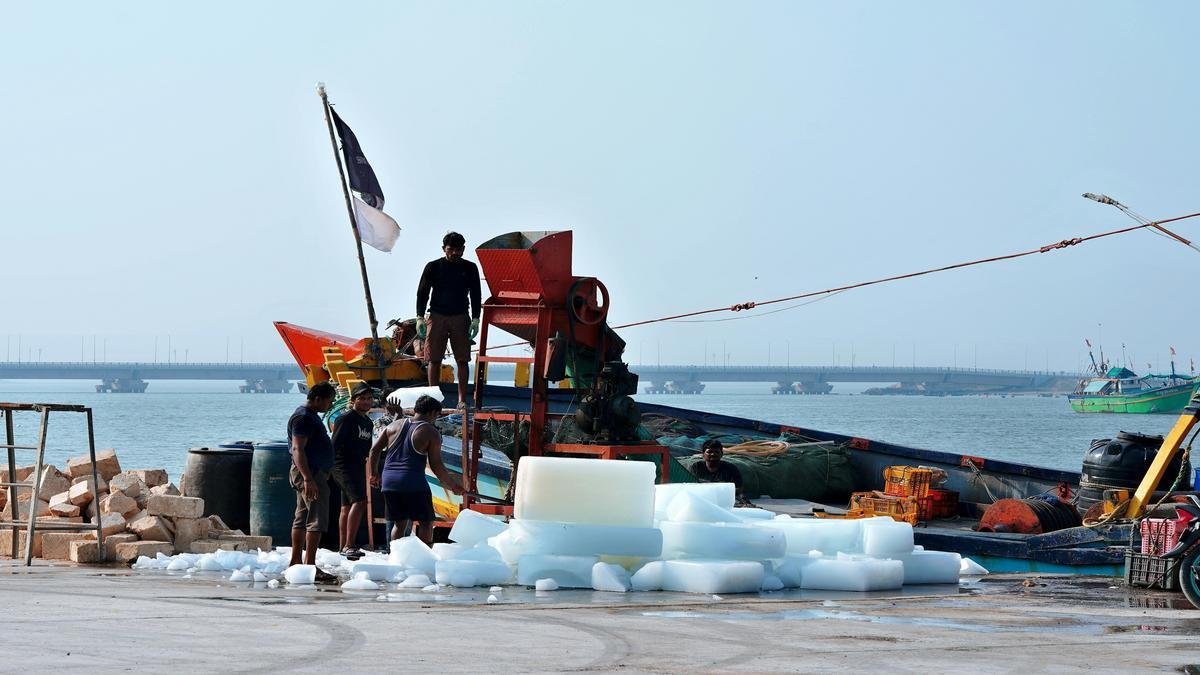
This Tuesday, the 1st, dockworkers from 36 ports on the U.S. East Coast and Gulf Coast began a historic strike which brought part of the international trade. The International Longshoremen's Association (ILA) organized the strike, which involves about 45,000 workers. They are fighting for pay raises and better working conditions. With this initiative, the busiest ports in the U.S., such as those from New York e Texas, are facing major difficulties. The situation is already causing insecurity on the economy and may affect the supply of basic goods.
- Port workers at 36 U.S. ports went on strike.
- The strike is the first in nearly 50 years and is affecting international trade.
- The main demand is a wage increase of US$ 5 per hour.
- Automation in ports raises concerns about job losses.
- The strike is causing uncertainty in the economy and could lead to shortages.
Historic Strike at U.S. Ports: A New Chapter
The Start of the Parade
On Tuesday, the 1st of a month that already promises to be eventful, dockworkers Workers at 36 ports along the U.S. East Coast and the Gulf Coast have decided to go on strike. This massive strike It is the first major strike in nearly half a century, and its consequences could be felt throughout the country's international trade.
What's at Stake
A International Longshoremen's Association (ILA), which represents about 45,000 workers, organized this strike in an effort to secure better working conditions. They are in negotiations with their employers regarding pay raises, benefits e workplace safety. This is a critical moment, as the busiest trade routes in the United States, including the ports of New York, New Jersey, Virginia, Georgia e Texas, are directly affected.
These ports account for about 60% Container Operations across the country, so the strike is not just a local issue; it is a problem that reverberates throughout the global economy.
Workers' Demands
The main claim of workers is a pay raise significant. The ILA argues that the inflation has eroded previous gains, and as a result, workers are asking for a raise of US$ 5 per hour over the next six years, which would represent a total increase of 77%. In addition, there are concerns about the automation at the ports, since many workers fear that the technology could lead to job losses.
Employers' Response
On the other hand United States Maritime Alliance, which represents port operators, had already offered a pay raise of nearly 50% throughout the term of the new contract. Despite this, the parties were unable to reach an agreement, which led to the strike.
Economic Impact
The impacts of the strike are already being felt. Experts say that if the strike lasts only a few days, the effects can be managed. However, a prolonged disruption could result in shortage, price increase and even layoffs in sectors that depend on maritime trade.
Rick Cotton, the executive director of the Port Authority of New York and New Jersey, mentioned that about 100,000 containers are currently stranded at the ports, and more than 30 ships are waiting to dock this week. Despite the situation, he tried to reassure consumers, stating that no major problems are expected with food and medicine.
The Political Context
This strike comes at a delicate time for the President of the United States, Joe Biden, which is just five weeks away from the national elections. Although he had previously stated that he would not use the Taft-Hartley Act, a law that allows the government to intervene in strikes that could harm the economy; the situation may force it to reconsider that decision if the strike causes significant damage.
The Voice of the Business Sector
Meanwhile, the business sector—especially importers of perishable goods such as fruits, are already feeling the effects of the strike. Daniel J. Barabino, who runs a fruit distribution company in New York, expressed concern, saying he might run out of bananas by the end of the week if the strike continues. He emphasized that there is no viable alternative for transporting these goods.
What's Next?
The situation continues to unfold, and all eyes are on the ports and the negotiations between workers and employers. The strike not only affects workers but also has broader implications for the economy, especially at a time when many are concerned about the rising cost of living and inflation.
Port workers are making their voices and demands heard, and this may be a sign that other sectors could also mobilize to fight for better working conditions. This struggle for justice in the workplace is an issue that resonates in many parts of the world, and all eyes are on what might happen next.
Frequently asked questions
What caused the dockworkers' strike?
The strike was caused by a dispute over wage increases and benefits. The International Longshore and Warehouse Union (ILA) was unable to reach an agreement with the employers.
—
How many ports are shut down?
The strike is affecting 36 ports on the U.S. East Coast and Gulf Coast. This includes major ports such as New York and Texas.
—
What are the impacts of the strike on international trade?
The strike is bringing much of international trade to a standstill. Experts warn that a prolonged strike could lead to shortages and price increases.
—
What are the workers' main demands?
The workers are demanding a wage increase of US$ 5 per hour over the next six years. They are seeking to offset the inflation that has eroded their wages.
—
What is being done to resolve the situation?
Negotiations between the ILA and the United States Maritime Alliance are ongoing. The government may intervene if the strike causes significant economic damage.