
How much do savings accounts earn?? Have you ever stopped to think about whether the savings accounts Is it still a good option for saving your money?
In a challenging economic climate, many people are looking for safe and affordable investment options.
Savings accounts, one of Brazil's most traditional financial instruments, remain a popular choice.
With fee exemption e low risk, it offers a simple way to start managing your finances.
Recent data shows that 37% of Brazilians rely on this method to manage their money. But is it still the best option?
In this article, we'll explore the monthly income and the annual return on savings, compared to other alternatives.
In addition, we’ll provide practical examples to help you make more informed decisions. Keep reading to find out if this is still the right choice for your budget!
Introduction to Savings: Concepts and Benefits
Understanding the benefits of savings accounts can help with financial decision-making. This type of investment is one of the most traditional and accessible in Brazil, ideal for those seeking security and simplicity.
What Is a Savings Account?
A savings account is an investment that fixed income, governed by the Central Bank. There are no account opening fees, and you can make deposits of any amount.
The yield is calculated based on the benchmark rate and Selic rate, ensuring a monthly return.

Investment Benefits and Security
One of the main advantages of a savings account is the security. The Credit Guarantee Fund (FGC) provides protection of up to R$ 250,000 per CPF and account.
In addition, it is exempt from income tax for individuals, which makes it even more attractive.
Another benefit is immediate liquidity. You can withdraw your money at any time, without penalties. The account’s anniversary date is important because interest is credited monthly on that date.
For those just starting to invest, a savings account is an excellent option. It allows you to build a financial reserve in a simple and safe way, without the need for advanced knowledge of the market.

How Savings Accounts Work
Understanding how savings accounts work can help you choose the best way to invest. This type of investment, so familiar to Brazilians, offers options that suit different investor profiles.
Let's explore the differences between traditional and automatic savings accounts, and highlight the importance of liquidity and the account's anniversary date.
Traditional Savings vs. Automatic Savings
Traditional savings accounts are the most common type, where investors make manual deposits. On the other hand, the automatic savings It allows you to set an amount and a frequency for deposits, making it easier to manage your finances.
This investment approach is ideal for those seeking convenience and discipline in their investments.
Both offer low risk and tax exemptions, but the automatic option stands out for its convenience.
Which one you choose depends on your needs and how often you want to move your money around.
Liquidity and Anniversary Date
One of the major advantages of saving is the immediate liquidity. You can withdraw your money at any time, with no penalties.
However, to ensure a monthly income, it is essential to comply with the anniversary date on the bill.
Interest is credited monthly on that date, which is the deposit date. If you withdraw the money before then, you’ll lose that month’s interest.
That's why planning your withdrawals is essential to maximizing your earnings.
This simple and secure structure makes savings accounts an attractive option for those looking to start investing without any complications.
Rules and Calculation of Savings Account Interest
Understanding the rules that determine savings returns is essential for investing safely.
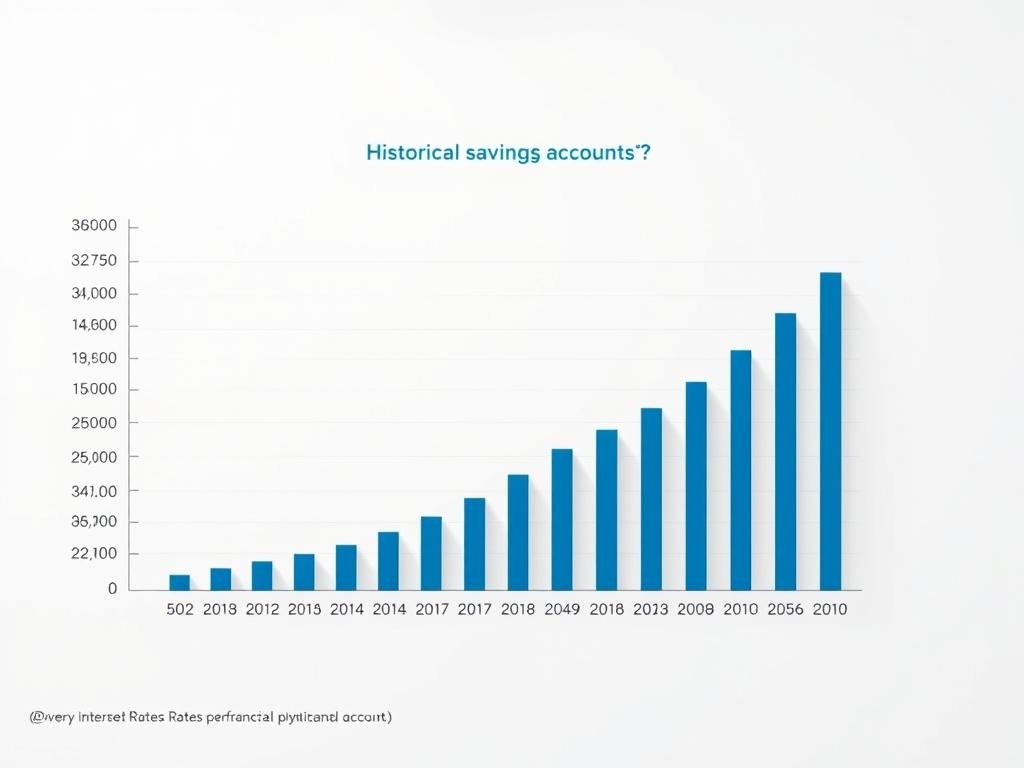
Calculating profitability involves two main variables: the Referential Rate (TR) and Selic rate. These factors determine how much your money can grow over time.
Composition: Reference Rate and Interest
A Referential Rate (TR) It is a historical index published daily by the Central Bank. It adjusts the value of deposits, but currently has a limited impact on returns.
I and Selic rate, which is the economy's benchmark interest rate, is the main factor that determines the return on savings accounts.
There are two formulas for calculating yield:
- If the Selic rate is above 8.5% per year, the yield is 0.5% per month plus the TR.
- If the Selic rate is equal to or below 8.5% per year, the yield is 70% of the Selic rate plus the TR.
These rules ensure that the investment is predictable and secure, even in unstable economic conditions.
Regulation by the Central Bank
O Central Bank It is the agency responsible for regulating savings accounts. It establishes the calculation rules and ensures that all financial institutions follow the same standards.
This means that, regardless of which bank you choose, the return will be the same.
In addition, the Credit Guarantee Fund (FGC) protects deposits up to R$ 250,000 per CPF and account.
This security makes savings accounts an attractive option for those looking for an investment that low risk.
Understanding these rules helps investors maximize their returns and make more informed decisions.
Savings accounts remain a popular choice in Brazil, thanks to their simplicity and security.
Practical Examples of Yield
To better understand the potential of the savings accounts, let's look at some practical examples of performance.
These simulations help you visualize how your money can grow over time, depending on the amount invested.

Simulations using R$ 100,000 and R$ 500,000
Imagine investing R$ 100,000 in a savings account. With a Selic rate If it exceeds 8.5% per year, the monthly income would be approximately R$ 500.
Over the course of a year, that would total R$ 6,167.78. With R$ 500,000, the annual return would be R$ 30,838.90.
These figures show how the income It varies depending on the amount deposited. For those looking for a safe way to save money, a savings account can be a good option.
R$ Investment Scenario: 3 million
For larger amounts, such as R$ 3 million, the annual return can exceed R$ 185,000. This demonstrates the power of compound interest over time.
However, it is important to remember that the inflation It may reduce the actual gain.
Tools such as the Citizen's Calculator They are useful for simulating different scenarios and planning your investments more efficiently.
Compare these simulations with other options for fixed income can help you choose the best strategy for your financial goals.
How Much Do Savings Accounts Earn? Scenario Analysis and Comparisons
Given the various investment options, the savings It still stands out as a safe and affordable choice.
However, it is important to compare it with other applications of fixed income to understand your place in the financial market.
Comparison with Other Fixed-Income Investments
Quando comparada a opções como CDBs, Treasury Direct e LCIs, a poupança apresenta um income younger.
For example, in 2023, while savings accounts yielded 8.32%, the CDI reached 13.05%. This shows that other investment options can offer more attractive returns.
However, savings have advantages that make them unique:
- Immediate liquidity: You can withdraw your money at any time.
- Security: Protected by the FGC up to R$ 250,000 per CPF and account.
- Simplicity: It does not require advanced knowledge of the market.
Appeal and popularity among Brazilians
Despite the income Although to a lesser extent, savings accounts remain the preferred choice of 25% among Brazilian investors.
This is due to its ease of access and the security which offers, especially for those who are just starting to invest.
Factors such as the selic rate and benchmark rate affect their performance. When the Selic rate is above 8.5% per year, savings accounts yield 0.5% per month. This predictability is one of the reasons for their popularity.
For those looking to diversify their portfolio, it is essential to weigh the pros and cons of each investment.
Savings accounts can be a gateway to the financial world, but it's important to consider other options to maximize your returns.

Conclusion
Analyze the interest earned on a savings account It is essential for anyone looking for security and simplicity in their investments.
This type of application, governed by the Central Bank, offers low risk and tax exemptions, making it a popular choice among Brazilians.
However, it is important to consider the limitations, such as the impact of the inflation and income smaller compared to other options for fixed income.
Practical examples show that, depending on the amount invested, returns can vary significantly.
For those just starting out, a savings account is an excellent place to begin. But to maximize your returns, it’s essential to compare it with other options, such as fixed-income securities, which may offer more attractive returns.
Keep learning and share this content to help more people make informed financial decisions. Stay up to date on the latest news and choose the best option for your investor.
FAQ
Q: What is a savings account?
A: A savings account is a safe and accessible fixed-income investment offered by banks. It allows you to save money while maintaining liquidity and earning monthly interest, making it a popular choice among Brazilians.
Q: What are the benefits of a savings account?
A: Savings accounts are known for their security, as they are guaranteed by the Central Bank. In addition, they are not subject to income tax and offer liquidity, allowing withdrawals at any time.
Q: How does the savings account yield work?
A: The return on savings consists of the Reference Rate (TR) plus an interest rate. If the Selic rate is above 8.5% per year, the return will be 0.5% per month plus the TR. Otherwise, it will be 70% of the Selic rate plus the TR.
Q: What is the difference between a traditional savings account and an automatic savings account?
A: A traditional savings account requires manual deposits, while an automatic savings account transfers funds directly from a checking account. Both follow the same rules regarding interest and liquidity.
Q: How is the return on a savings account calculated?
A: The calculation is based on the investment's start date. Interest begins to accrue on the first business day of the month following the deposit, and interest is credited monthly.
Q: How do savings accounts compare to other fixed-income investments?
A: Savings accounts offer lower returns than options such as CDBs or Tesouro Direto, but they are more accessible and safer, making them ideal for those seeking liquidity and low risk.
Q: How much interest does R$ earn on 100,000 in a savings account?
A: With the Selic rate above 8.5% per year, R$ 100,000 would yield approximately R$ 500 per month, totaling R$ 6,000 per year, not including the TR.
Q: Is a savings account a good option for long-term investments?
A: For the long term, there are more profitable options, such as mutual funds or stocks. Savings accounts are best suited for emergency funds or short-term goals.