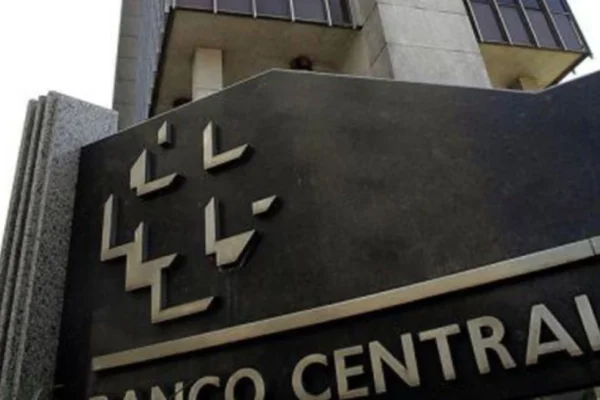
O Central Bank is opening the door for major banks, brokerage firms e investment platforms operate in a more safe in the market for digital assets. That means that if you're interested in cryptoassets, now is the time to understand the new rules and requirements that will be in effect. Small startups, especially those foreign, may face challenges in getting their affairs in order. In this article, we’ll explain in detail how these changes will affect the market and what the implications are for investors e companies in the world of cryptocurrencies.
- The Central Bank is drafting rules to allow banks and brokerage firms to operate with cryptoassets.
- Smaller startups may have difficulty complying with regulations.
- Crypto companies must meet specific licensing and capital requirements.
- New compliance rules will increase the administrative burden on brokerage firms.
- Companies in the sector view the regulation as a positive step for the market.

The New Landscape of Cryptocurrencies in Brazil
O Central Bank (BC) is preparing for a new era in the digital assets. You may be wondering how this will affect banks, brokerage firms, and investment platforms that are already part of the traditional financial market. Let’s explore how this new regulation might impact their involvement with the cryptocurrencies.
What's Changing?
The Central Bank is creating a safer environment for large financial institutions to operate with cryptocurrencies. This means that you, as an investor, will have more options and greater security when using traditional banks and brokerage firms for digital asset transactions. However, startups operating in this market—especially smaller and foreign ones—may face challenges in complying with the new rules.
The Crypto Asset Market in Brazil
Currently, Brazil has a growing cryptoasset market, with more than 5 million users and transactions that totaled R$ 247.8 billion through September of this year. This shows that interest in cryptocurrencies It is growing, and the Central Bank's new rules could make this market even stronger.
Licenses and Requirements
To operate in the cryptoasset market, platforms will need to obtain specific licenses, known as Vasps (virtual asset service providers). There are three types of licenses that will be offered:
- Intermediaries: Requires a minimum capital of R$ 1 million.
- Custodians: Requires a minimum capital of R$ 2 million.
- Brokers: Requires a minimum capital of R$ 3 million, encompassing the other two activities.
These requirements were established to balance the risks associated with cryptocurrency transactions.
Costs and Challenges
Although regulation provides security, it can also increase the Cost for companies that wish to enter the market. This may limit the participation of new companies, especially startups that may not have the necessary capital to meet these requirements.
Investor Protection
One of the main concerns regarding regulation is the consumer protection. The new rules require cryptocurrency platforms to have dedicated risk management departments and written procedures to ensure investor safety. This means that even if a startup does not have the same level of compliance as a bank, it will still need to follow strict standards.
What Can We Expect from the Future?
The regulations also include the travel rule, which requires institutions to share information about their customers and identify the beneficiaries of transactions. This may raise concerns among those in the industry, but it is a necessary measure to increase transparency and security.
The Role of the Internal Revenue Service
In addition to the Central Bank's regulations, the Internal Revenue Service It is also updating its rules for reporting cryptoassets. This includes collecting information on cryptocurrency transfers both from Brazil to other countries and vice versa. This change is important to ensure that all transactions are monitored and that taxes are paid properly.
Market reactions
Representatives of the cryptoasset sector in Brazil have mixed views on the new rules. While some believe that regulation may increase bureaucracy, others see it as a positive step toward strengthening the market. The need for a clear regulatory environment is seen as a way to build a more robust and reliable market.
What does it mean for you?
As an investor, these changes may open up new opportunities. With major banks and brokerage firms entering the crypto market, you can expect more investment options and greater security in transactions. However, it’s also important to be aware of the challenges startups will face in adapting to these new rules.
Conclusion
In summary, the new regulations of Central Bank represent a significant turning point in the market for cryptoassets in Brazil. As an investor, you should be aware of these changes, which are expected to increase the security and transparency in transactions. Although startups face challenges in adapting to the new requirements, the entry of major banks and brokerage firms may expand the options available to you. This is a crucial time to stay informed and adapt to the new rules that will shape the landscape of cryptocurrencies in our country. Don't miss this opportunity to delve even deeper into this topic and continue your journey of discovery at finance by reading more articles at Learning About Finance.
Frequently Asked Questions
What are the new licenses required to operate in the crypto asset market in Brazil?
Cryptoasset platforms will need three types of licenses: intermediary, custodian, and brokerage. Each will have specific capital requirements and operating rules.
What is the minimum capital required for each type of license?
For an intermediate license, the minimum capital requirement is R$ 1 million. For custodians, it is R$ 2 million. And for brokerage firms, the minimum is R$ 3 million.
How will this new regulation affect cryptocurrency startups?
Startups—especially smaller and foreign ones—may have difficulty adapting to the new rules. The capital and compliance requirements will be challenging for them.
What changes for banks that want to operate in the cryptoasset market?
Banks that are already regulated will have an easier time entering the market. They will simply need to comply with the new requirements, which include governance and consumer protection.
How does the new regulation affect investor protection?
The new rules are designed to protect investors. Financial institutions must comply with strict anti-money laundering regulations and maintain more robust internal controls.