
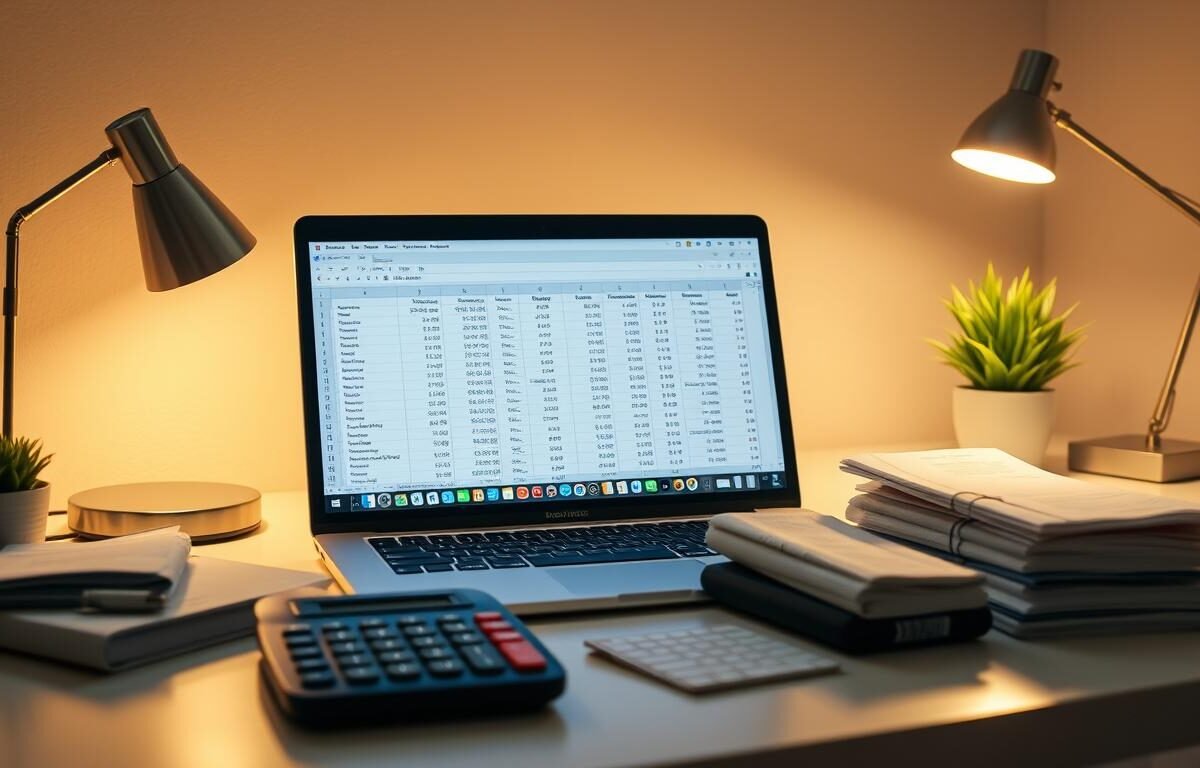
Have you ever wondered why money seems to disappear before the end of the month, even with apparent planning? In times of high inflation and economic instability, understanding where every cent in your pocket goes isn't just useful – it's essential to avoid unpleasant surprises.
Organize your finance goes beyond cutting coffee or avoiding impulse purchases. It's about align your spending with your goals, whether it's creating an emergency fund, investing in education, or simply breathing a sigh of relief when paying bills.
According to experts, those who don't closely track their budget tend to spend up to 30% more than they planned.
And here's the good news: small daily adjustments can transform your relationship with money. How? By identifying silent leaks and prioritizing what truly matters.
In this guide, you will discover practical methods for:
- Map where your income is going
- Reorganize priorities without losing quality of life
- Create habits that protect your wallet in unpredictable scenarios
Ready to turn the game around and ensure your monthly effort translates into financial security? Let's get started!
Understanding Your Expenses and Their Impact on Your Budget
Knowing exactly where your money is going is the first step to having a balanced financial life.
Imagine your budget as a puzzle: each piece represents a type of spending, and only by fitting them all together correctly do you see the full picture.

The three types of expenses that affect your wallet
The fixed expenses These are those that don't change every month, like rent or car payments.
But variables like the market and fuel can fluctuate – this is where the danger of overspending lies. And don't forget seasonal costs: property taxes, school enrollment, or Christmas gifts.
A practical example? Someone spending R$300 monthly on streaming and delivery is using 15% of a R$2,000 salary just on non-essential items. These silent “leaks” are the biggest enemies of planning.
When a lack of organization turns into a snowball
Ignoring these details has consequences. A study by Serasa shows that 64% of Brazilians have already fallen behind on basic bills due to a lack of control. The result? Accumulated interest, a bad credit record, and credit restrictions.
- Prioritize paying for water and electricity before secondary expenses.
- Use apps to compare prices for home products
- Schedule alerts for upcoming account due dates
A valuable tip: many supermarkets offer coupons digitally that reduce up to 30% on the final price. Simply register your number on the network's website – fast and effortless savings!
Financial Planning: Structuring Your Budget
Control your money before it controls you. Create a efficient budget It's like having a GPS for your finances: it shows you the way, warns you of detours, and keeps you in control.
Start by separating your total income from fixed and variable expenses – this is the basis for making smart decisions.
Step-by-step guide for expense assessment
First, assemble a complete list of everything that goes in and out of your account. Use spreadsheets or even a notebook to jot down every purchase of the month.
Then, classify the expenses into categories like housing, transportation, and leisure. This way, you identify where you can make adjustments.
| Step | Action | Tip |
|---|---|---|
| 1 | Record all entries | Include extra income and benefits |
| 2 | Categorize expenses | Separate into “essential” and “optional” |
| 3 | Compare with income | Maximum of 30% for leisure |
Using digital tools to organize your finances
A internet is full of allies. Apps like PicPay offer a detailed view of your spending in real-time.
You program alerts for accounts, set goals, and even block impulse purchases – all in a few clicks.
Review your planning every 3 months. Did the rent price change? Did a new income source emerge? Adjust the percentages for each category.
Remember: credit should be used sparingly, only for emergencies or investments.
Those who use these strategies can save up to 20% of their salary, according to PicPay data. The secret? Transforming the financial control as a habit, not as a sacrifice.
Tips to reduce monthly expenses without feeling overwhelmed
Transforming your relationship with money begins with smart everyday choices. A recent survey reveals that 58% of Brazilians have subscriptions they don't even use – money literally going down the drain.

Reviewing accounts and eliminating unnecessary subscriptions
Open your bank statement right now: how many recurring services do you really need? Streaming platforms, fitness apps, and even forgotten insurance can be cut or negotiated.
Try calling carriers and asking for leaner plans – many offer discounts to avoid cancellations.
Troque o cartão de crédito por débito automático nas contas essenciais. Assim, você evita juros e prioriza o que realmente importa. Uma família de São Paulo economizou R$ 180/mês só reduzindo pacotes de TV e internet.
Practical examples of saving money in everyday life
At the supermarket, choose store brands and buy in bulk. Bring a strict list and never go Shopping hungry – this reduces impulsivity. For leisure, explore public parks or promotional movie screenings.
- Switch to LED bulbs: save up to 80%% on your bill energy
- Use clear containers in the refrigerator to avoid waste of food
- Schedule fixed times to use the washing machine and electric iron.
Want more inspiration? Discover proven strategies to balance your budget while maintaining quality of life. Small adjustments today build robust savings tomorrow!
Strategies for cutting costs on services and subscriptions
Saving money on recurring services can be simpler than you imagine. All it takes is a critical analysis of your spending and a willingness to negotiate – actions that free up resources for real priorities.
Negotiations and seeking discounts on plans and services
Call operators and providers at least twice a year. A Procon-SP survey shows that 72% of customers achieve price reductions by questioning. plans current.
I am evaluating costs, what options do you have to keep me as a customer?“
| Service | Strategy | Average economy |
|---|---|---|
| Telephony | Switch to a prepaid plan with a data allowance | R$ 40/mês |
| Streaming | Share family account | R$ 25/month |
| Academia | Negotiate semester package | R$ 15/month |
Simplifying consumption to fit the budget
Do a quarterly “cleanse” of your subscriptions. Keep only items used weekly. Swap similar services for bundled packages: multiple carriers offer discounts up to 30% when combining internet, TV, and mobile.
- Pay annually for essential services to avoid interest monthly
- Compare prices insurance and financing on 3 different sites
- Use apps like Zoom for meetings, saving on travel.
Want more guidance? Check out practical tips to optimize every cent of your budget. Remember: smart saving isn't about depriving yourself, but about conscious choices.
Everyday Economics: Food and Leisure
Transforming everyday habits can be tastier and more fun than you imagine. Simply combine organization with creativity to discover new ways to enjoy your money without giving up what truly matters.
Tips for saving on shopping and food
Plan your meals weeks before going to the market. A detailed list avoids impulse buys and reduces waste food.
Prefer generic brands for Products basics like rice and beans – the quality is similar, but the price drops up to 40%%.
A family in Belo Horizonte saved R$ 300/month by replacing restaurant dinners with homemade versions. Freeze extra portions and repurpose leftovers in new recipes. Your bill feeding thank you!
Affordable Leisure Activities and Unbeatable Deals
Explore options free cultural events: municipal museums, art fairs, and public parks. Cinemas offer showings for R$ 12 on specific days – just check the networks' websites.
To travel Consider short bike rides or picnics in green areas. Many apps offer coupons for local experiences with up to 60% off.
Reducing waste and optimizing consumption
Organize your pantry by expiration date and use clear containers in the refrigerator. This way, you avoid forgetting food at the back of the shelves. Buy Products Seasonal: Fruits and vegetables in season are cheaper and more nutritious.
- Make juices with pineapple or apple peels.
- Use leftover bread to make toast or croutons
- Schedule a “fridge clean-out day” before your next grocery shopping trip
Want more inspiration? Check out proven strategies to transform your routine without losing the pleasure of eating. Small changes yield big results!
Conclusion
Transforming your budget is like getting a raise without having to work more hours.
Upon applying the strategies we've seen – from the detailed analysis of Cost until the optimization of the consumption – you create a solid foundation for a healthy financial life. Every adjustment, no matter how small it may seem, frees up resources for actual goals.
Remember: the secret is in the frequency of these actions. Review your accounts every 3 months, as we suggested in the Complete guide to personal budgeting, helps you stay in control without feeling overwhelmed.
Families who adopted these practices save up to R$ 500 per month – value that can become an emergency fund or investment.
Saving doesn't mean giving up what brings joy, but choosing with value. Swapping expensive dinners for creative home-cooked experiences or negotiating service packages are examples of how small changes yield big results.
Your health The financial institution thanks you!
Get started today: choose one of the practical tips in this article and adapt it to your reality. With discipline and periodic adjustments, you can turn numbers on paper into the freedom to live with better quality.
FAQ
Q: How to differentiate fixed, variable, and seasonal expenses?
Fixed expenses are those that repeat every month, such as rent and internet. Variable expenses change with usage, like electricity. Seasonal expenses occur at specific times, such as property tax or Christmas presents.
What digital tools help organize a budget?
Apps like Nubank, GuiaBolso e Mobills They allow you to categorize expenses, set goals, and track your financial health in real-time. They also send alerts to prevent late fees.
A: Is it worth negotiating TV and internet plans?
A: Yes! Companies like Sure e Vivo they often offer discounts for customer retention. Compare packages and use alternative services such as Star+ or Prime Video to reduce costs.
Q: How to save money on grocery shopping?
Make a list before you go, use coupons from Méluiz or PicPay, and prefer own brands from networks such as Extra or Carrefour. Buying in wholesale like Assaí It also helps with the budget.
Q: Are there cheap alternatives for leisure?
Platforms like Sesc SP They offer free events. Ticketing apps like Sympla There are promotions and services such as 99Jobs allow you to find cultural experiences at affordable prices.
How to avoid food waste?
Plan weekly menus, freeze extra portions, and use unconventional parts (stems, peels) in recipes. Apps like Too Good To Go sell restaurant surplus with up to 70% off.