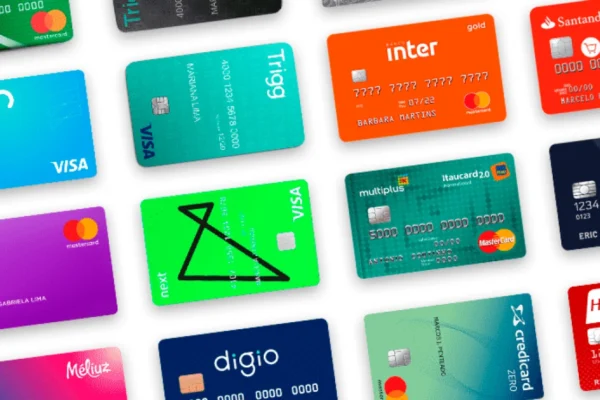

Financial Control Worksheet: Do you know exactly where every penny of your salary goes? Many people believe they have everything under control, But at the end of the month, they are surprised by tight bills or unexpected debts.
What if there was a simple method to transform this reality?
Imagine clearly visualizing how your money is distributed between bills, leisure and unforeseen events.
An organized tool not only avoids surprises, but also opens the door to goals such as travel, investments or the much-desired emergency reserve.
And the best part: it's as much for your personal use as it is for family planning.
In this article, you'll find a practical guide to creating your own organization system. We'll explore everything from categorizing spending until the budget according to your priorities.
Want examples? We'll show you how to identify consumption patterns and redistribute resources without giving up what really matters.
To make it easier for you, we've provided ready-to-download templates, developed by experts.
Get ready to discover how small changes today can guarantee more security and financial freedom tomorrow. Shall we get started?
Introduction to Financial Control
Being clear about your inflows and outflows is like having a map to avoid financial mazes.
A financial organization acts as a guide to help you make conscious decisions and avoid surprises at the end of the month.
According to Sebrae, 60% of Brazilians don't keep track of their spending regularly - a habit that can jeopardize even simple goals.
Why do your accounts deserve attention?
An organized system allows you to identify consumption patterns. For example, did you know that small delivery costs can take up to 15% of your budget? With a structured tool, it's easy:
- See where the money is being spent
- Reduce unnecessary expenses
- Creating space for investment
Turning Numbers into Opportunities
Those who plan are able to take advantage of opportunities that others miss. As this article on money management, Organized people are 3x more likely to build up an emergency reserve.
And the best part: you don't have to cut out everything that brings you joy - you just have to balance your priorities.
How to Use the “Finance Control Worksheet” in Your Daily Life
Can you imagine turning your routine into a financial ally? Start by opening your digital archive every morning - just like you check your social networks.
In less than five minutes, you'll be clear about where you're standing and where you might slip.

Step-by-step filling
First, record all your monthly income in the income column. A financial advisor states: “The secret is consistency, not complexity”.
Separate fixed expenses (rent, energy) from variable expenses (leisure, shopping) using different colors for quick visualization.
When categorizing, think of three essential groups:
- Basic needs (50% of the budget)
- Personal goals (30%)
- Unforeseen (20%)
Update daily while you drink your coffee. Synchronization with banking apps helps, but take 2 minutes to review manually. That way, you'll notice patterns such as overspending on delivery on Wednesdays.
Automatic calculations are your best friend. They show you in real time how much you can still spend on each category by the end of the month.
How about trying it out today? Download a ready-made template and adapt it to your priorities - the first step is always the most transformative.
Benefits of Using a Financial Control Worksheet
What would you do if you could turn numbers into allies? A well-structured tool reveals patterns invisible to the naked eye and transforms information into intelligent decisions.
Studies show that people who monitor their records are 40% more likely to achieve short-term goals.
From Confusion to Financial Clarity
Imagine comparing your records for three months and discovering that 12% of your salary goes to streaming services that you don't even use. With visual categorization, you:
- Identifies resource leaks in real time
- Compares planned targets with actual execution
- Adjust priorities based on concrete data
According to Institute of Applied Economics, who monitors spending reduces expenses by up to 30% in the first quarter.
Automation eliminates manual errors - instant calculations show exactly how much is left over after paying essential bills.
| Situation | No Organization | With Spreadsheet |
|---|---|---|
| Emergency Control | Improvisation | 3-6 month reservation |
| Budget adjustment | Kicks | Redistribution in 5 minutes |
| Monthly Balance | Surprises | Forecast with 95% accuracy |
How about starting today? Download a ready-made template and see how small daily records create big changes. Your financial security deserves this care!
Free Templates and Options for Organizing Your Finances
Finding tools that suit your reality is simpler than you might think. Well-known platforms and trusted institutions offer ready-to-use resources - just choose the one that suits your lifestyle.

Basic Options to Start Today
Microsoft Excel and Google Spreadsheets are classics that never go out of style. Both have:
- Pre-formatted templates for monthly budget
- Automatic tracking charts
- Mobile versions for quick updates
The difference? While Excel offers advanced formulas, Google simplifies real-time sharing - ideal for families.
Specialized Tools
Those looking for more detail can explore Mobills. Its free model includes:
- Control of credit card with expiration alerts
- Intelligent categorization of expenses
- Customized reports by category
Já o Idec disponibiliza um sistema focado em educação financeira. Perfeito para quem quer entender padrões de consumo enquanto organiza as contas.
Versions for Specific Needs
Micro-entrepreneurs find models with:
- Detailed cash flow
- Integrated stock control
- Quarterly earnings projections
For families, there are options for dividing expenses by member and reminders for collective accounts. All the features mentioned allow you to download and adjustments according to your priorities.
Organize Your Day-to-Day Spending
How do you react when you realize that small expenses jeopardize your goals? An organized routine prevents money from escaping through invisible gaps.
The secret lies in turning simple records into powerful allies for smarter decisions.
Daily Expenses Control
Set aside 3 minutes at the end of the day to write down each amount spent. Use categories such as feeding, transportation or leisure. This helps to identify patterns:
- Understand how much goes to essential items
- Detect impulse purchases
- Adjusting habits before they affect the budget
Those who record daily reduce unnecessary spending by 22%, according to research by the Central Bank. Synchronization with bank statements makes it easier, but check manually so you don't miss any details.
Credit Card Spending Management
The card can be a villain or an ally. In your organizational tool:
- Record purchases in installments as a single expense
- Use colors to signal purchases above 30% of income
- Activate reminders for due dates
A comparison table simplifies the analysis:
| Method | Manual Control | With Organization |
|---|---|---|
| Vision of the Limit | Estimate | Updated Balance |
| Payment | Risk of Delay | Automatic reminders |
| Fees | Surprises | Previous Projection |
How about starting today? Open your file after dinner and record every move. Within a week, you'll have valuable data to take control of your money!
Monthly and Annual Financial Planning
Imagine seeing your money working for you instead of slipping through your fingers? Good planning turns dreams into concrete numbers.
With a clear structure, You can balance immediate needs with future projects - whether it's a family trip or financial independence.
Organized Monthly Budget
Start by dividing your salary into three parts in the tool: essential, goals e reserve. Use separate columns for earnings and fixed costs. This way, you can quickly identify where to adjust:
- Compare income and expenses in automatic graphs
- Allocate 10% for unforeseen events from day one
- Review percentages every quarter
| Category | % Ideal | Your % |
|---|---|---|
| Housing | 30 | ? |
| Leisure | 15 | ? |
| Investments | 20 | ? |
Calendar and Expense Tracking
Marking due dates prevents 79% of delays, according to Procon-SP. In your control spreadsheet, create:
- Visual alerts for recurring bills
- A timeline of annual spending
- Space for seasonal goals (IPVA, school supplies)
Set aside 10 minutes a week to update your records. This simple practice reveals patterns - such as extra spending on holidays - and allows adjustments to be made before problems arise. How about scheduling this time right now?
Integration with Modern Tools and Applications
Have you ever thought about how technology can transform the way you manage your money? The connection between your control spreadsheet and specialized applications eliminates repetitive tasks and brings precision to data.
With automatic synchronization, you can keep track of everything in real time - from morning coffee to long-term investments.
Software and Apps that Make Financial Control Easier
Platforms such as Google Spreadsheets and Excel Online allow you to download of models and connect them to banking apps. It works like this:
- Statements are imported directly into your categories
- Card spending updates automatically
- Graphics adjust as new values enter
Apps like Mobills and Guiabolso go further. They convert purchases into data structured, showing consumption patterns in interactive graphics. Everything is saved in the cloud - secure and accessible from anywhere. half digital.
| Tool | Advantage | Time saved |
|---|---|---|
| Online spreadsheets | Real-time synchronization | 3 hours/week |
| Banking Apps | Automatic import | Reduced errors in 67% |
| Virtual Assistants | Personalized alerts | 2x faster decisions |
To get started, download a model and link it to your accounts. In minutes, you'll have a unified view of what's coming in and what's going out - without typing each value manually. How about trying it out today?
Strategies and Tips to Optimize Control of Your Spending
How do you turn small choices into big financial results? The answer lies in simple strategies that adapt your behavior to your goals. Let's explore methods tested by experts to boost your organization.
Saving and Planning Tips
Start by reviewing forgotten signatures. A study by Febraban reveals that 34% of Brazilians pay for unused services. Do it:
- Cancel three digital services this month
- Plan weekly purchases to avoid impulse spending
- Negotiate bank rates using data from your tool
For realistic goals, use the adaptable 50-30-20 rule. If you earn R$3,000, allocate R$1,500 to necessities, R$900 to leisure and R$600 to bookings. Adjust according to seasonal priorities.
Monitoring Investments and Targets
Separate 15% from earnings for short- and long-term applications. In your tool, create specific tabs for:
- Monthly return on each investment
- Projections updated weekly
- Alerts for portfolio rebalancing
| Strategy | Payback in 1 year | Risk |
|---|---|---|
| CDB 100% CDI | R$ 1.240 | Bass |
| Actions | R$ 1.890 | Medium |
| Treasury Direct | R$ 1.310 | Bass |
Review your reports every Friday. Comparing scenarios helps you identify where to adjust allocations. Remember: efficient financial organization combines discipline with flexibility to take advantage of opportunities.
Case Studies: Spreadsheets for Different Profiles
How do different lifestyles affect the way we manage resources? The same tool adapts to different realities, turning numbers into strategic allies. See how simple models come to life in real situations.
Household and Individual Management
Ana, a freelance designer, used a basic template to organize variable income. In 6 months:
- Identified that 40% earnings came from 2 fixed clients
- Reduced spending on non-essential software by 25%
- Created a reserve for 4 months of expenses
Families like Carlos' (3 people) have adjusted the system to:
- Split expenses by member
- Plan collective vacations
- Monitoring children's educational goals
The Corporate World in Practice
The Doce Pão bakery, a family-run micro-enterprise, adapted a business model. Results in 1 year:
- Operating costs down 181TP3Q
- Net profit up 32%
- Projected cash flow for 90 days
Consultancies use advanced versions for:
- Compare performance between branches
- Simulate expansion scenarios
- Managing multiple suppliers
| Profile | Challenge | Solution | Result |
|---|---|---|---|
| Staff | Irregular income | Dynamic categorization | +29% in investments |
| Family | Shared expenses | Collaborative spreadsheet | Saving R$ 1,200/month |
| Business | Stock control | Sales integration | 40% reduction in losses |
Customize columns according to your priorities. A system made for you understands your needs - whether it's planning your children's college or expanding a business. How about starting your success story today?

- - Control of Receipts and Fixed Accounts;
- - Expenses with Carnês/Boletos;
- - Credit card spending;
Conclusion
Transforming your relationship with money starts with simple decisions. Throughout this guide, you've discovered how to organizing entries and exits reveals hidden patterns and creates opportunities.
The key is to turn information into action - whether it's reducing invisible expenses or allocating resources to dreams.
Adopting a daily logging routine changes everything. Within a week, you identify leaks in the budget.
In one month, it adjusts priorities based on concrete data. And in a year? It builds security for unforeseen events and opens doors to investments that once seemed distant.
Get started today with the suggested templates. Customize columns according to your lifestyle and review the numbers every Friday.
Remember: every little choice you make now multiplies in the future. future - like seeds that become forests.
The first step is always the most powerful. Open your favorite tool now and register three expenses recent.
Tomorrow, you'll have the data to make smarter decisions. Your journey to financial freedom has just gained an ally!
FAQ
Q: How does a financial spreadsheet help you in your day-to-day life?
A: It allows you to visualize your earnings, spending and investments in one place. You can identify where your money is going, avoid debt and plan your future better, whether it's for a trip or to renovate your house.
Q: What's the first step to getting started with a spreadsheet?
A: Write down all your income and fixed expenses (such as rent and electricity bills). Then record variable expenses (such as groceries and leisure) on a daily basis. Use categories such as “Transport” or “Health” to organize them better.
Q: Are there any reliable free templates?
A: Yes, Google Spreadsheets and Excel offer ready-made templates. Mobills and Idec also have customized options, even for family or business control. Just download them and adapt them to your needs.
Q: How do I control credit card spending in the spreadsheet?
A: Create a specific tab to record each purchase, including date, amount and establishment. Set a monthly limit and compare it with your actual spending. This avoids surprises when you close your account.
Q: Are personal and business spreadsheets different?
A: Yes. The business ones include cash flow, taxes and payroll. Personal ones focus on the household budget, savings goals and everyday expenses. Both require constant updating.
Q: Can I integrate the spreadsheet with applications?
A: Of course! Tools like Mobills or Guiabolso synchronize bank data automatically. You export this information to your spreadsheet, combining practicality with manual organization.
Q: What is your top tip for optimizing financial control?
A: Review your spreadsheet weekly. Adjust categories that are over budget and celebrate goals achieved. Use colors or graphs to make the analysis more visual and motivating.