

Complete Guide to Finance For Beginners: Have you ever wondered how some people manage to handle their money effectively, while others face constant financial difficulties?
Personal financial management may seem complex, but it is based on simple principles. According to the 2023 Survey on the Profile and Behavior of Brazilian Debt, conducted by Serasa in partnership with Opinion Box, 83% of Brazilians have delayed paying other bills to prioritize paying their water, electricity, or gas bills.
This shows the importance of having a financial planning appropriate.
In this guide, you'll learn the basics of personal finance in a practical way, from basic concepts to advanced strategies for organizing your money and achieve greater financial peace of mind.
The Importance of Personal Financial Management
Understanding the importance of personal financial management is the first step toward improving your relationship with the money.
Personal financial management is a process which involves planning, organizing, and managing your finances.
What Is Personal Financial Management and Why Does It Matter?
Personal financial management is the process of planning, organizing, directing, and controlling your finances. This includes managing your income, expenses, debts, and investments.
Good financial management helps you avoid financial problems and achieve your goals.
Effective financial management allows you to make informed decisions about your money, ensuring a financial life more stable and secure.
| Benefits | Description |
|---|---|
| Financial Control | Have a clear picture of your finances |
| Planning | Set realistic financial goals |
| Stress Reduction | Reduce financial anxiety |
How Financial Disorganization Affects Your Life
A lack of financial organization can lead to a variety of problems, including constant stress and limitations on your ability to achieve your dreams. Financial problems can affect your life in many ways, from relationships to career opportunities.

Financial disorganization can lead to debt, a low credit score, and a lack of savings. This can limit your ability to achieve your financial goals and jeopardize your financial life.
First Steps to Organizing Your Finances
Starting your financial planning journey requires an honest, straightforward assessment of your current situation. This involves understanding exactly how much you earn, how much you spend, and what your debts and investments are.
Take an honest look at your current situation
The first step in organizing your finances is to conduct a thorough and honest assessment of your current situation.
This means gathering all the data about your financial situation without omitting any information or downplaying any problems. You’ll need to set aside time to understand your financial situation.
Essential Questions for Understanding Your Financial Situation
To understand your financial situation, it’s crucial to answer a few key questions. How much do you earn each month? What are your monthly expenses? Do you have any debts? How much are they? Do you have investments? What kinds of expenses do you consider “harmful”?
| Questions | Answers |
|---|---|
| How much do you earn per month? | R$ [Value] |
| What are your monthly expenses? | R$ [Value] |
| Do you have any debts? | Yes/No |
| How much is the debt? | R$ [Value] |
Set realistic financial goals
Once you understand your current financial situation, it's time to establish realistic financial goals and achievable.
This may include short-, medium-, and long-term goals, such as saving for a trip, paying off debts, or building an emergency fund.

By following these steps, you'll be on the right track to getting your finances in order and achieving your financial goals.
Creating an Efficient Budget
Creating a budget that works for you is the first step toward achieving financial stability. A budget is a plan that helps you manage your money, clearly showing how much you earn and how much you spend.
Mapping Your Revenue Sources
To start, list all your sources of income. This includes your salary, freelance work, and income from investments and other entries from money.
Having a clear picture of how much you earn is essential for planning your spending.
Identifying and Categorizing Expenses
Next, identify and categorize your spending into essential and non-essential expenses. Essential expenses include housing, food, and transportation, while non-essential expenses include leisure activities and unplanned purchases.
This categorization helps you better understand where your money is being used.
Tools and Apps for Budget Management
There are several tools and apps available on the market that can help with the control e planning of your budget.
From simple spreadsheets to sophisticated applications, you can choose the tool that best suits your routine and needs.
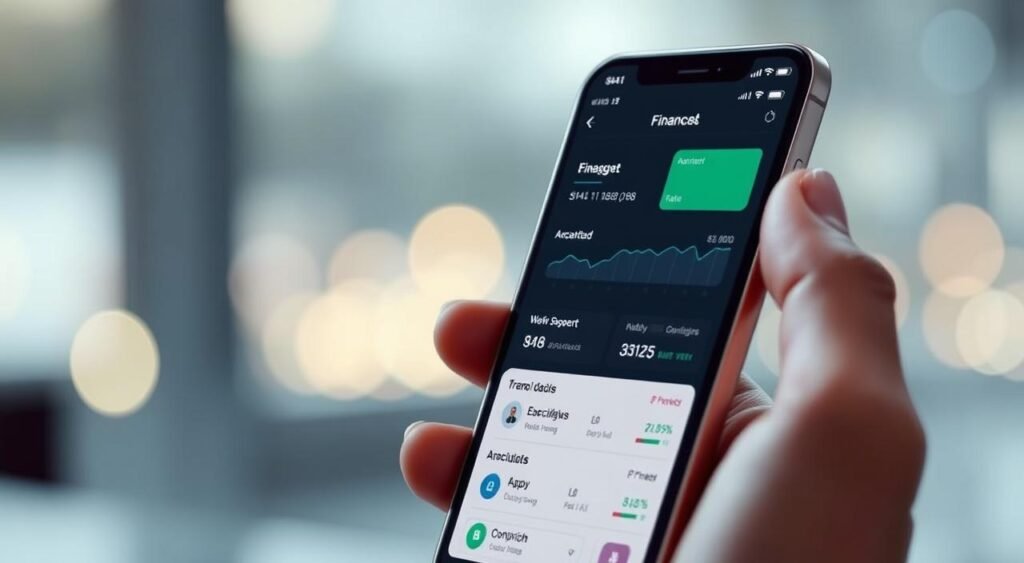
By creating and maintaining an effective budget, you’ll not only gain a clear picture of your finances, but you’ll also be able to make informed decisions to improve your financial health over the course of the time.
Personal Finance for Beginners: Strategies for Getting Out of Debt
Many people struggle to get out of debt, but with the right strategies, it’s possible to overcome this challenge. Getting out of debt requires a well-structured plan and discipline, but the results are worth it.
In this section, you'll learn how to identify and prioritize your debts, apply the 50-30-20 rule to organize your spending, and use effective methods to pay off debts more quickly.
How to Identify and Prioritize Your Debts
The first step toward getting out of debt is to make a complete list of all your financial obligations.
Isso inclui identificar fees de juros, prazos e condições de cada dívida. Prioritize debts with the highest interest rates or those that compromise your quality of life It is crucial to an effective debt repayment strategy.
By understanding your debt profile, you can create an action plan that focuses on your most critical obligations. This helps reduce the financial impact and improve your financial health over time.
The 50-30-20 Rule for Organizing Your Expenses
The 50-30-20 rule is a simple tool for organizing your spending. It suggests that you allocate 50% of your income for basic needs, such as rent and food, 30% for Wishes, such as leisure and hobbies, and 20% for savings and debt repayment.
This rule helps you maintain a balance between essential and non-essential expenses, ensuring that you’re making progress toward financial stability.
| Category | Percentage | Description |
|---|---|---|
| Basic Needs | 50% | Essential expenses such as rent, food, and basic bills. |
| Wishes | 30% | Expenses for leisure, hobbies, and other wants. |
| Savings and debts | 20% | Allocation for savings and debt repayment. |
Effective Ways to Pay Off Debt Faster
There are different methods for paying off debt, such as the snowball method and the avalanche method.
The snowball method involves paying off the smallest debts first, while The avalanche method prioritizes debts with the highest interest rates.
Escolher o método mais adequado ao seu perfil pode ajudar a acelerar o processo de quitação de dívidas.
Para mais informações sobre como gerenciar suas finanças e investimentos, visite this link.
Building Your Emergency Fund
Uma reserva de emergência bem estruturada pode ser a diferença entre uma crise financeira e uma simples dor de cabeça.
Ter uma reserva de emergência é fundamental para lidar com imprevistos financeiros, como problemas de saúde, desemprego ou reparos urgentes.
Why You Need an Emergency Fund
A reserva de emergência é um dos pilares mais importantes da saúde financeira. Ela serve como um financial cushion para situações inesperadas, permitindo que você não precise recorrer a dívidas para resolver problemas urgentes.
How Much to Set Aside for Your Emergency Fund
A quantia ideal para sua reserva de emergência depende de vários fatores, incluindo seu estilo de vida, gastos mensais e perfil de risco. Geralmente, recomenda-se guardar entre 3 a 6 meses de despesas.
Where to Keep Your Emergency Fund Safely and Accessibly
É crucial escolher uma opção de investimento que ofereça liquidity e security. Algumas das melhores opções incluem contas poupança, DI funds e CDBs com liquidez diária.
Para construir sua reserva de emergência gradualmente, você pode começar definindo um savings plan mensal. Mesmo que você tenha pouco dinheiro sobrando no final do mês, disciplinar-se para poupar is fundamental.
Integrar a construção da reserva de emergência ao seu long-term financial planning It is essential. This ensures that you are prepared for the unexpected without compromising other important financial goals.
É igualmente importante entender quando usar sua reserva de emergência. Reserve-a para situações de verdadeira emergência e busque alternativas para outros tipos de gastos.
With these practical tips, you'll be on the right track to building a solid emergency fund and ensuring your financial security.
Planning for Your Financial Goals
Para alcançar seus sonhos, é necessário transformá-los em specific financial goals e alcançáveis através de um planejamento estruturado.
How to Plan for Short-, Medium-, and Long-Term Goals
É fundamental classificar seus objetivos em curto (até 1 ano), médio (1 a 5 anos) e longo prazo (mais de 5 anos), e trabalhar em todas essas áreas simultaneamente.
Here are a few tips para você planejar seus objetivos financeiros de forma eficaz.
Strategies for Making Dreams Come True, Such as Traveling and Buying a Home
Sonhos como viagens internacionais e compra da casa própria exigem planning and discipline. É necessário definir quanto você precisa poupar mensalmente para atingir esses objetivos.
Considere também os spending associados a esses sonhos, como visto e passaporte para viagens, ou o valor da entrada para a compra da casa.
Calculando quanto poupar mensalmente para atingir seus objetivos
Para calcular quanto poupar, é preciso considerar a inflation, the yields dos investimentos e os deadlines. Utilize ferramentas de financial planning para facilitar esse processo.
Além disso, é importante revisar e ajustar seu planejamento regularmente para garantir que você está no caminho certo para alcançar seus financial objectives.
FAQ
Q: Como posso começar a controlar meus gastos?
A: Você pode começar a controlar seus gastos fazendo um diagnóstico sincero da sua situação financeira atual, identificando todas as suas fontes de receita e categorizando seus gastos essenciais e não essenciais.
Q: How important is it to have an emergency reserve?
A: Ter uma reserva de emergência é fundamental para garantir sua estabilidade financeira em caso de imprevistos, como despesas médicas ou perda de emprego, permitindo que você cubra essas despesas sem comprometer suas outras obrigações financeiras.
Q: Como posso criar um orçamento eficiente?
A: Para criar um orçamento eficiente, você precisa mapear todas as suas fontes de receita, identificar e categorizar seus gastos essenciais e não essenciais, e utilizar ferramentas e aplicativos para controle de orçamento.
Q: Qual é a regra 50-30-20 e como ela pode me ajudar?
A: A regra 50-30-20 sugere que você destine 50% da sua renda para gastos essenciais, 30% para gastos não essenciais e 20% para poupança e quitação de dívidas, ajudando a organizar seus gastos de forma equilibrada.
Q: Como posso sair das dívidas?
A: Para sair das dívidas, você precisa identificar e priorizar suas dívidas, criar um plano para quitá-las e utilizar métodos eficientes, como o pagamento de dívidas com juros mais altos primeiro.
Q: Quanto tempo leva para construir uma reserva de emergência?
A: O tempo necessário para construir uma reserva de emergência varia de acordo com sua renda e despesas, mas é recomendável começar a poupar regularmente e manter um objetivo claro de quanto você deseja guardar.
Q: Como posso planejar para meus objetivos financeiros de longo prazo?
A: Para planejar para seus objetivos financeiros de longo prazo, você precisa definir claramente o que deseja alcançar, calcular quanto precisa poupar mensalmente e criar um plano de investimento adequado para atingir seus objetivos.