

How to Get Out of an Overdraft: Have you ever found yourself relying on your bank's credit limit to cover unexpected expenses? The overdraft It seems like a quick fix, but it hides risks that could put a strain on your budget for months.
Many Brazilians use this option in emergencies, without realizing how interest turns small amounts into a debt that snowballs.
The interest rates on this type of loan are among the highest on the market—in some cases, they exceed 300% per year. This means that a loan of R$ 1,000 can balloon to R$ 3,000 in just a few months if it is not paid off.
The worst part? The pre-approved limit gives you a false sense of security, but the reality is that Every day of delay makes the problem worse.
In this article, you'll discover practical methods for reorganizing your finance e break out of this cycle.
From directly renegotiating with the bank to making adjustments to your monthly budget, the tips presented here are based on the habits of people who have managed to get out of this situation.
The first step is to understand that avoiding overdrafts requires financial self-awareness.
Identifying unnecessary expenses and setting aside funds for unforeseen circumstances are actions who avoid falling into that trap. You are not alone on this journey – and every conscious choice is a step forward.
Understand How an Overdraft Line of Credit Works
Do you know exactly what happens when you use this feature? The pre-approved limit It kicks in automatically as soon as your balance goes into the red. It’s as if the bank were saying, “You can use it, but we’re going to charge you a lot for it.”.
Activating and Using the Limit
No authorization is required—all it takes is a purchase or bill that exceeds your balance. This feature hides an average cost of 320% per year, according to recent data.
For comparison: a personal loan ranges from 60 to 1,201 TP3T over the same period.
Reason for the high rates
Banks justify the high interest rates because of the risk of not receiving the amount. Since there is no collateral (such as a financed asset), the institutions pass this cost on to you.
“It’s the kind of credit ”It's more expensive precisely because it's so simple," explains an expert from the SPC Brazil.
The Effect of Compound Interest
Imagine owing R$ 500. In the first month, at a rate of 15%, that amount would become R$ 575. In the second month, interest would be calculated on the total amount, bringing the total to R$ 661.
In six months, R$ would exceed 1,000. This exponential growth is what traps many people in a cycle that is difficult to break.
Assess Your Financial Situation
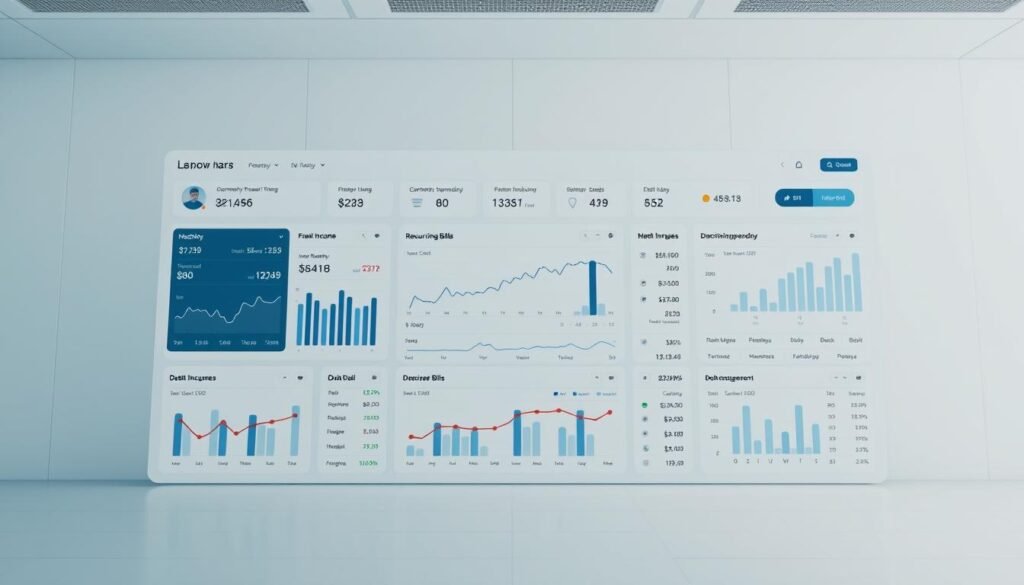
Knowing where every cent goes is the first step toward regaining control. A recent study shows that 72% of people underestimate their small expenses – those little coffees or quick snacks that add up to more than R$ 200 a month without you even realizing it.
Track every transaction
Start by writing everything down for 30 days. Use apps like Mobills or Google Sheets to track even the value from the parking lot. Divide them into three categories:
- Fixed expenses: rent, electricity, school
- Variables: market, fuel
- Extras: gifts, repairs
Find out where the budget is leaking
The invisible expenses They are the biggest villains. Compare these common examples:
| Type of Expense | Examples | Monthly Impact |
|---|---|---|
| Subscriptions | Streaming, apps | R$ 80-150 |
| Small purchases | Candy, magazines | R$ 120-300 |
| Bank fees | Rates, Insurance | R$ 45-90 |
Review your statements from the last three months. You'll find patterns—such as accounts that have increased without warning or for unused services. This diagnosis will reveal where to make adjustments first to free up money and direct it toward the priorities.
Practical Tips: How to Get Out of Overdraft
Transforming your financial situation starts with concrete actions. Here are three proven strategies to reduce costs and regain control:
Negotiate your debt with the bank
Call the manager and ask for a reduction in interest rates. Banks usually offer up to 70% off for those who ask. cash payment. If you don't have the full amount, request to pay in up to 12 installments with lower fees.
| Option | Advantage | Medium-Term |
|---|---|---|
| Immediate discharge | Discount on 40-60% | 1 business day |
| Refinancing | Lower fixed rate | 6–24 months |
| Portability | Transfer the debt to another bank | 30 days |
Switch to a cheaper plan
Compare options such as payroll loan (1.5% interest per month) or a card with a controlled revolving credit limit. A Central Bank survey reveals that those who switch from revolving credit to other types of credit can save up to R$ 2,000 over two years.
Reduce the available limit
Ask your bank to automatically reduce or block your access to easy credit. Combine this with a prepaid debit card to essential purchases. That way, you can avoid falling back into the cycle without sacrificing your basic needs.
Always prioritize the full payment on your bills. If you need to pay in installments, choose short payment terms (3–6 months) so you don’t prolong the commitment too long. Every steady step takes you further away from dependence on expensive credit.
Adopt Habits for Sound Financial Management
Small daily choices shape your relationship with money. A recent study reveals that people who review their spending every week are three times more likely to avoid debt.
Start by looking for patterns—that quick purchase on the way to work or that subscription you didn't even remember.
Overcome the temptations of consumerism
Before buying, ask yourself three questions: “Do I need this today?”, “Is there a cheaper alternative?”, “Can I wait 48 hours?”. This simple practice reduces impulse buying by 65%, according to data from research on new habits.
Here's how to transform your routine:
- Bring a snack from home to avoid spending money outside
- Use apps to block promotions in real time
- Set weekly savings goals
Build Security Step by Step
An emergency fund starts at R$ 10 per day. In a year, that adds up to R$ 3,650—enough to cover 83% of common unexpected expenses. Set that amount aside as soon as you receive your paycheck, as if it were a fixed bill.
| Example of Economics | Monthly Value | Annual Impact |
|---|---|---|
| Cut back to 2 cups of coffee a day | R$ 120 | R$ 1,440 |
| Cut delivery times in half | E$ 200 | R$ 2,400 |
Review your budget every Friday. Write down your accomplishments and any necessary adjustments. Over time, these actions will become automatic habits that effortlessly protect your finances.
Additional Resources and Strategies for Financial Stability
Having control Finance is about more than just cutting costs—it’s about using the right resources to your advantage. Technology and creativity can help to transform your relationship with money, even during challenging times.
Take Control of Your Numbers with Technology
Apps like Organizze and Guiabolso automatically sync your accounts. They display the data in simple charts:
- Expenses by Category
- Limit Exceeded Alerts
- Projection of the future balance
| Tool | Single Appeal | Cost |
|---|---|---|
| Google Spreadsheet | Full customization | Free of charge |
| Mobills | Detailed reports | R$ 9.90/month |
| Notion | Integration with goals | Free (basic) |
Earn income without leaving home
A recent study revealed that 58% of Brazilians use their extra skills to supplement their income. Here are some practical options:
- Sell used clothing or electronics on online marketplaces
- Offer freelance services (design, proofreading)
- Offer quick consultations via video call
| Source: Extra | Weekly Weather | Average Earnings |
|---|---|---|
| Online sales | 5 hours | R$ 300–600 |
| Private Lessons | 3 hours | R$ 150–400 |
Keep contact by tracking your progress by reviewing your cash flow every Friday. Small changes lead to big results—every real you save speeds up the payment of installments pending.
Conclusion
Regaining control of your finances requires discipline, but every step brings freedom. The strategies presented—from renegotiating debts until it is replaced credit expensive compared to viable options—they are gateways to a financial life more stable.
Remember: Reduce the check limit Having access to and using management tools helps prevent relapses. Negotiating with banks can reduce interest rates by up to 70%, while habits such as reviewing weekly expenses create a solid foundation.
Start today by putting one of these tips into practice. Make it a priority to pay the full amount of your installments, and explore options for credit cheaper ones and gradually adjust your budget.
These changes won't solve everything overnight, but they will transform realities in the medium term.
You now have the roadmap to get out of this check debt. The journey takes effort, but the lasting benefits are worth every adjustment. Why not open your banking app right now and take the first step?
FAQ
Q: How do I negotiate my overdraft balance with the bank?
A: Contact your financial institution and ask for discounts or special terms to pay off the balance. Many banks offer reduced interest rates, installment plans, or even the option to settle for less than the total amount owed. Keep the lines of communication open and explore all your options!
Q: Is it worth it to replace an overdraft with a loan?
A: Yes! Personal loans or payroll loans usually have lower interest rates. Use the money to pay off the debt immediately, and then focus on paying off the installments on the new loan, which will be cheaper and easier to budget for.
Q: How can I prevent the limit from being applied automatically?
A: Ask your bank to cancel or lower your available credit limit. That way, you won't run the risk of making impulse purchases. Set up alerts in the app to monitor your balance and avoid surprises at the end of the month.
Q: What's the first step to getting out of this situation?
A: Conduct a detailed analysis: track all your expenses for 30 days, identify areas of waste (such as forgotten subscriptions), and prioritize paying off your debt. Cutting back on unnecessary expenses frees up money to reduce your outstanding balance faster.
Q: How do I build an emergency fund?
A: Set aside at least 5% of your income each month in a separate account. Start with small amounts and gradually increase them. This reserve prevents unexpected expenses, such as car repairs, from forcing you back into revolving credit.
Q: Do digital tools help with monitoring?
A: Absolutely! Apps like GuiaBolso and Organizze, or Excel spreadsheets, let you categorize your expenses, set goals, and track your progress. Seeing where your money goes makes it easier to make quick adjustments before you hit your limit.