
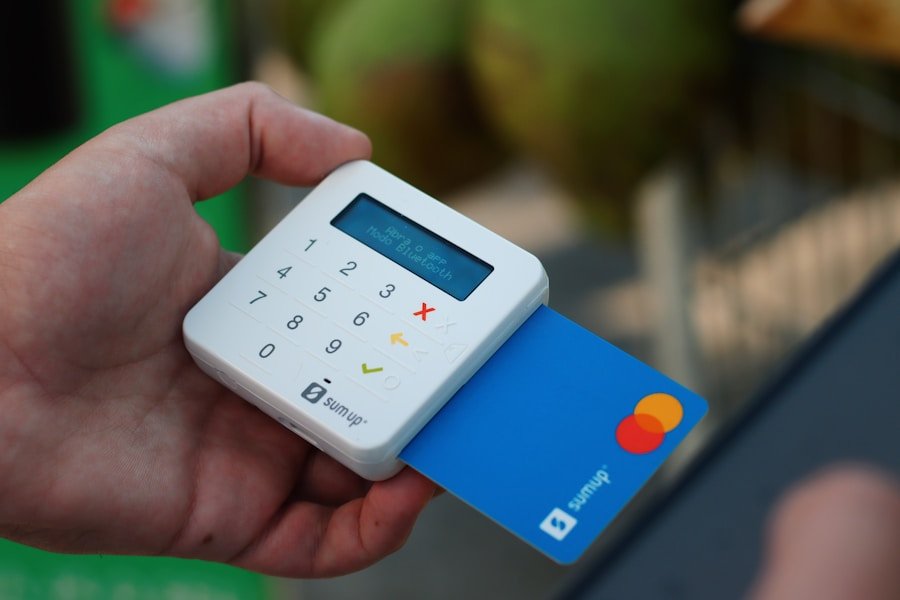
How does a credit card work?: A credit card is a financial instrument that allows cardholders to make purchases and pay for them at a later date. It works because it is a line of credit granted by a financial institution, usually a bank or a credit card issuer, which allows users to purchase goods and services without the pressure of immediate payment. The main purpose of a credit card is to provide a convenient and flexible way to make transactions, in addition to offering the option to pay for purchases in installments.
The purpose of a credit card is to provide cardholders with the ability to make purchases and payments without the need to carry physical cash. It serves as a widely accepted form of payment at various retail establishments, both in-person and online, and can also be used for ATM withdrawals, bill payments, and other financial transactions. Furthermore, credit cards can offer additional benefits, such as rewards programs, insurance, and consumer protections.
It is important to understand that a credit card is not a free payment method. There are fees and charges associated with its use, such as an annual fee, interest on the outstanding balance, and possible fees for additional services. Therefore, it is essential that credit cardholders be aware of the terms and conditions established by the issuing institution so they can use their cards responsibly and avoid unnecessary costs.
How do you get a credit card?
The process of obtaining a credit card involves submitting a formal application to a financial institution, usually a bank or a credit card issuer. The first step is to fill out a registration form, in which the applicant must provide personal information, such as name, address, date of birth, CPF number, monthly income, and credit history.
After the application is submitted, the financial institution will assess the applicant’s profile, taking into account various factors, such as income, credit history, ability to pay, and the level of risk associated with the applicant. This review and approval process can take a few days or weeks, depending on the institution and the complexity of the case.
To obtain a credit card, the applicant generally needs to submit a series of supporting documents, such as copies of identification documents, proof of address, proof of income, and, in some cases, information about their financial situation and assets. This documentation is necessary so that the financial institution can assess the applicant’s profile and set the credit limit to be granted. It is important to note that requirements may vary among different credit card issuers. credit cards.
Understanding Credit Card Terms and Fees
When obtaining a credit card, it is important to understand the key terms and fees associated with this financial instrument. The credit limit, for example, is the maximum amount the cardholder can use for purchases and transactions. This limit is set by the issuing institution based on an assessment of the applicant’s profile.
Another important term is the interest rate, which represents the fee charged by the financial institution for the use of the credit provided. This rate is applied to the credit card balance and may vary depending on the cardholder’s profile, the issuing institution, and market conditions. It is essential that the cardholder be aware of the interest rate charged, as it directly impacts the total cost of purchases made with the card.
In addition, some credit cards may charge an annual fee, which is a fee paid by the cardholder each year for maintaining and using the card. This fee can vary depending on the type of card, the benefits and services offered, and the issuing institution. It is important to assess whether the annual fee is justified by the benefits and advantages provided by the card.
Other common credit card fees and charges include the cash advance fee, charged when cash is withdrawn, and the late payment fee, applied when the cardholder fails to pay the balance by the due date. Understanding these terms and fees is essential for using a credit card responsibly and avoiding unnecessary costs.
How does the credit card purchase process work?
The process of making a purchase with a credit card involves a few simple and practical steps. First, the cardholder presents their card to the merchant, whether at a physical store or during an online transaction. The merchant then requests authorization for the transaction from the card issuer.
Once the transaction is authorized, the purchase amount is deducted from the cardholder’s available credit limit. At that point, the merchant receives payment, while the cardholder is responsible for paying the bill later, within the established timeframe.
One of the main differences between cash purchases and purchases made in installments with a credit card is the payment method. For cash purchases, the full amount of the transaction is charged to that month’s statement. With installment purchases, however, the amount is divided into several installments, which will be included on subsequent statements. This installment option is one of the main advantages of using a credit card, as it allows the cardholder to purchase goods and services in a way that is more flexible and better suited to their budget.
It is important to note that, regardless of the payment method chosen, credit cardholders should be mindful of their available credit limit and the billing due date in order to avoid accumulating debt and paying interest and additional fees.
Payment of the credit card bill
| Throw | Description |
|---|---|
| Request | The customer fills out a credit card application form. |
| Credit Review | The bank assesses the customer's ability to pay and their financial situation. |
| Approval | If the verification is successful, the card is recognized and issued to the customer. |
| Receipt | The customer receives the card at home and must activate it. |
| Use | Customers can use the card to make purchases and payments. |
| Invoice | The customer receives a monthly statement showing the charges made to the card. |
| Payment | The customer must pay the invoice by the due date to avoid interest charges. |
After making purchases and transactions with a credit card, the cardholder receives a monthly statement detailing all transactions made during the period. This statement includes a due date, which is the deadline for paying either the full amount or the minimum payment required.
Credit card bills can be paid in a variety of ways, such as by bank transfer, direct debit, payment at ATMs, online banking, or even at participating merchants. It is important for the cardholder to make the payment by the due date to avoid accruing interest and fees.
If the cardholder fails to pay the bill or pays only the minimum amount due, he or she will be subject to interest charges on the outstanding balance. This interest can be significantly high, reaching annual rates exceeding 100%, which can result in a very substantial expense for the cardholder. Furthermore, failure to pay the bill can negatively affect the cardholder’s credit history, making it more difficult to obtain loans or financing in the future.
Therefore, credit cardholders need to set a budget and create a plan for paying their bills in order to avoid accumulating debt and paying excessive interest. Paying bills on time and in full is essential for responsible credit card use.
Credit Card Interest and Fees

One of the key factors to consider when using a credit card is the interest and fees associated with this financial instrument. The interest rate charged by the card issuer is a crucial factor, as it determines the actual cost of purchases made with the card.
Credit card interest is calculated based on the cardholder’s outstanding balance—that is, the amount that has not yet been paid. This interest rate is applied to the outstanding balance and charged each month until the entire amount is paid off. The higher the outstanding balance and the longer that balance remains unpaid, the greater the total amount of interest paid by the cardholder.
It is important to understand that credit card interest can have a significant impact on the final cost of purchases. For example, if a cardholder makes a purchase of R$ 1,000.00 and does not pay the bill in full, the interest charged on that balance can cause the total amount due to be much higher than the original purchase price.
In addition to interest, credit cards may also be subject to other fees, such as an annual fee, a cash advance fee, and a late payment fee, among others. These additional fees should also be taken into account when using the card, as they can result in extra costs for the cardholder.
Therefore, credit cardholders should be mindful of the fees and charges imposed by the issuing institution, so that they can use their cards responsibly and avoid accumulating debt and unnecessary costs.
Tips for Using Your Credit Card Responsibly
To use your credit card responsibly and avoid financial problems, it’s important to follow a few key tips. First, it’s essential to set a monthly budget and closely monitor your credit card spending. This involves recording all purchases, keeping track of your available credit limit, and planning how you’ll pay your bill.
Another important tip is to pay your credit card bill in full by the due date. It is crucial to avoid paying only the minimum required amount, as this can lead to the accumulation of interest and fees, significantly increasing the total cost of your purchases. Paying your bill on time and in full is the best way to use your credit card responsibly.
Furthermore, it is important for credit cardholders to maintain strict control over their credit limit. Avoid using the card up to its maximum limit, as this can negatively affect your credit history and make it more difficult to obtain loans or financing in the future. Try to maintain a safety margin on your credit limit so that you have a financial buffer for any emergencies.
By following these tips, credit cardholders can enjoy the benefits and conveniences of this financial tool without exposing themselves to unnecessary risks or accumulating debt that could jeopardize their long-term financial health.
Credit Card Security and Protection
Credit card security and protection are key considerations for cardholders. There are several measures that can be taken to minimize the risks of fraud and unauthorized use of the card.
First, cardholders must keep their personal information and credit card details confidential and avoid sharing them with untrusted third parties. Furthermore, it is important to periodically review credit card statements and transaction history to identify any suspicious or unauthorized transactions.
If a credit card is lost or stolen, the cardholder should immediately contact the issuing institution to block the card and request a replacement. This step is crucial to prevent the card from being misused by third parties, thereby minimizing losses.
Another important recommendation is to use passwords and security codes whenever necessary, such as when shopping online or at ATMs. These codes should be kept confidential and should not be shared with anyone.
Furthermore, credit cardholders should be vigilant against potential fraud attempts, such as suspicious calls requesting personal information or unrecognized transactions. In such cases, the cardholder should immediately contact the issuing institution to report the situation and take appropriate action.
By taking these security measures, credit cardholders can enjoy the benefits and conveniences of this financial tool more safely and with greater peace of mind, minimizing the risks of fraud and unauthorized use.
Benefits and Advantages of Using a Credit Card
The use of credit card It offers a number of advantages and benefits to its cardholders. One of the main advantages is the convenience and ease of payment provided by the card. When using the card, the cardholder does not need to carry physical cash, which makes transactions more convenient and secure, especially for online purchases or at retail stores.
Furthermore, credit cards allow cardholders to make purchases and payments in installments, which can be an attractive option when buying higher-value goods and services. This payment flexibility can help cardholders adjust their spending to fit their budget, making financial planning easier.
Many credit cards also offer rewards programs, such as accumulating points or miles, which can be redeemed for prizes, discounts, or airline tickets. These loyalty programs provide an added perk for cardholders, who can enjoy extra perks and benefits.
Some credit cards also offer additional services, such as travel insurance, purchase protection, and extended product warranties, among others. These benefits add value to using the card and can be useful in a variety of situations.
However, it is important to note that, in order to fully enjoy the benefits of a credit card, it is essential to use it responsibly, meet payment deadlines, keep track of spending, and avoid accumulating debt. This way, credit cardholders can enjoy all the conveniences and benefits offered without exposing themselves to unnecessary financial risks.
FAQs
What is a credit card?
A credit card is a payment method that allows the cardholder to make purchases and pay for services, with the understanding that the amount spent will be repaid at a later date, usually on a monthly basis.
How does a credit card work?
A credit card works through a credit line that is preapproved by the card issuer. The cardholder can make purchases up to the established limit and must pay the amount charged on the monthly statement, choosing to pay either the full amount or the minimum payment.
What are the fees associated with a credit card?
The fees associated with a credit card may include an annual fee, interest on the outstanding balance, late payment fees, and foreign currency withdrawal fees, among others.
What are the benefits of a credit card?
The benefits of a credit card may include rewards programs, travel insurance, purchase protection, and flexible payment options, among others.
When can I apply for a credit card?
To apply for a credit card, you must contact a bank or financial institution that issues credit cards, fill out an application, and wait for the credit check.