
There's no money to spare And you wonder why this happens? In this article, we'll explore how spending habits affect your finances. Let's talk about impulse spending, debts, and as a good financial planning It can change your situation.
You'll discover practical tips for control your spending, save and even increase your income. Get ready to transform your relationship with money!
Key Takeaways
- Review your monthly expenses regularly.
- Avoid impulse buying.
- Create a budget and stick to it.
- Prioritize your essential expenses.
- Look for ways to save more.

How Spending Habits Can Affect Your Finances
Understanding Impulsive Spending
Have you ever found yourself buying something you didn't need? These impulse spending can be a trap. They happen when you buy something on impulse, without thinking too much about it.
It could be that item of clothing on sale or a snack you saw at the store. These small expenses may seem harmless, but when you add them up, they can make your no money left over at the end of the month.
Imagine you spend R$ 50.00 a week on things you don't need. By the end of the month, that adds up to R$ 200.00. Now, think about how much that represents in your budget. It's an amount that could be used for something more important, such as save or pay a bill.
The Relationship Between Expenses and Debt
Impulsive spending can lead to debts. When you spend more than you earn, the bill comes due, and often you can't pay it. This creates a cycle: you spend, you go into debt, and to try to fix the problem, you end up spending even more. It's a real snowball.
Here is a simple table to help you understand better:
| Type of Expense | Example | Impact on the Budget |
|---|---|---|
| Impulse Spending | Impulse buying | Increases expenses |
| Necessary Expenses | Fixed bills | Essentials for Life |
| Planned Expenses | Savings and Investments | Helps you manage your finances |
Strategies for Controlling Your Expenses
Keeping track of your spending doesn't have to be complicated. Here are a few strategies that can help you:
- Make a list: Before you go shopping, make a list of what you really need.
- Define a budget: Set aside a fixed amount to spend each month and stick to it.
- Wait 24 hours: If you feel like buying something, wait a day. This can help you avoid impulse purchases.
- Use apps: There are many apps that help you track your spending. Try one and see how it can make your life easier.
Remember, every real counts. By keeping track of your spending, you ensure that your There's no money to spare and you can use it for what really matters to you.
The Importance of Financial Planning
Creating an Efficient Budget
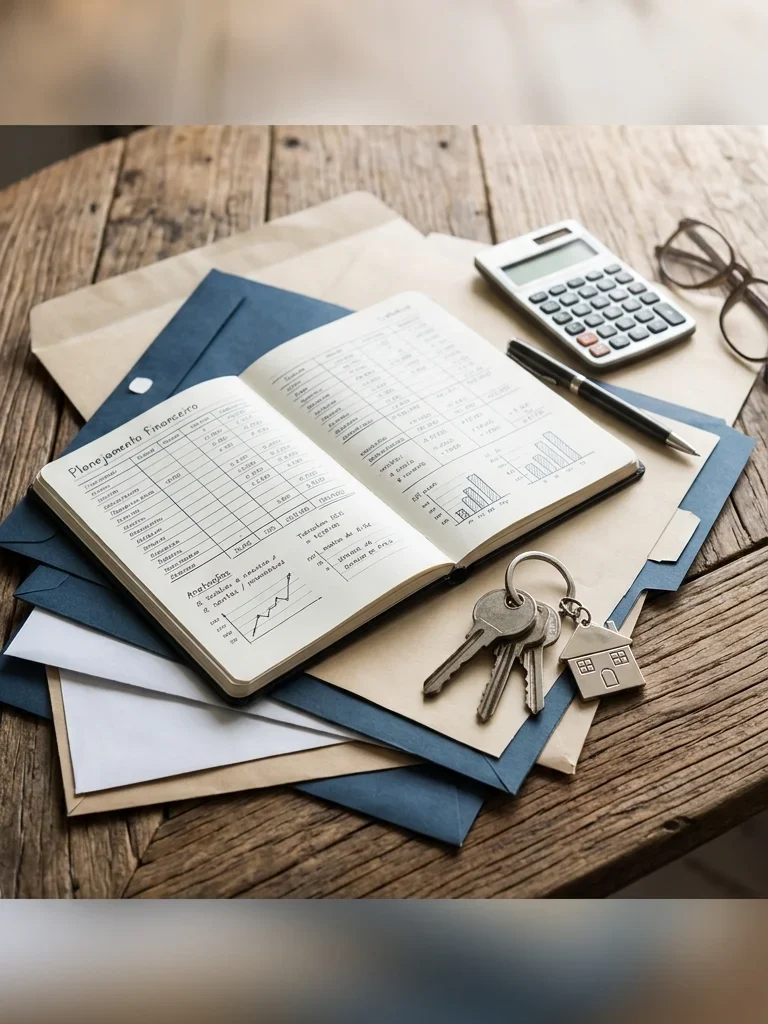
When you think of financial planning, the first thing that comes to mind is the budget. An effective budget is like a map that guides you through your finances. To create one, start by listing all of your sources of income and then their expenses.
Here's a simple example:
| Category | Value (R$) |
|---|---|
| Monthly Income | 3.000 |
| Rent | 1.200 |
| Food | 500 |
| Transportation | 300 |
| Leisure | 400 |
| Other Expenses | 600 |
| Total Expenses | 3.000 |
This way, you can clearly see where your money goes and you can adjust your expenses if necessary. Remember: There's no money to spare. So every penny counts!
How Planning Helps Prevent Debt
Financial planning is a powerful tool for avoiding debt. When you have a budget, it’s easier to control your spending and avoid unnecessary purchases. For example, if you know you’ve already spent a lot on leisure activities, you might choose to have a quiet night at home instead of going out.
Another tip is to always have a emergency fund. This helps you deal with unexpected expenses without having to resort to loans or credit cards. The rule is simple: if you don't have the money, don't buy it!
Practical Tips for Financial Planning
Here are some practical tips that can help you plan your finances more effectively:
- Review your budget monthly: This helps you identify where you can cut back on expenses.
- Use finance apps: They can make it easier to keep track of your expenses.
- Set financial goals: Whether it's for a trip or to buy a car, having a goal can motivate you to save money.
- Avoid impulse purchases: Always ask yourself: Do I really need this?
With these tips, you can start taking control of your finances and prevent the There's no money left.

How Economics Can Improve Your Financial Situation
What Is Personal Finance?
Personal finance is the art of managing your money. It's about how you earn, spend, and save. Think of it as a game of chess, where every move counts. You need to plan and make smart decisions to achieve your financial goals. If your There's no money to spare, it's time to pay attention to your personal finances.
Benefits of Saving Money
Saving money has many benefits. Here are a few of them:
- Tranquility: Knowing that you have a nest egg for emergencies can help relieve stress.
- Goals Achieved: With good planning, you can buy what you want, such as a house or a car.
- Financial freedom: The more you save, the more options you'll have for the future.
Ways to Save Money in Your Daily Life
Let's talk about some simple ways to save money in your daily life. Here are some practical tips:
| Tip | Description |
|---|---|
| Plan Your Shopping | Make a list before you go to the grocery store to avoid impulse buying. |
| Cut unnecessary expenses | Take a look at your expenses and see where you can cut back. For example, eat out less. |
| Use discount apps | There are many apps that help you find deals and coupons. |
Remember, even small savings can add up and make a big difference. For example, if you save R$10 a week, by the end of the year you’ll have R$520! That’s a nice sum of money that can be used for something important.
Saving money doesn't have to be boring. Turn this into a challenge! Play a game with friends or family to see who can save the most in a month. This can make the process fun and motivating.
The Need for Good Financial Management
What Is Financial Management?
Financial management is the process of manage his money in a smart way. This involves plan, organize e control your finances so you can achieve your goals.
You know that moment when you realize that the There's no money to spare At the end of the month? That might be a sign that your financial management needs some attention.
At the end of the day, financial management is like tending a garden. If you don't water the plants, they'll wither. Similarly, if you don't take care of your finances, they can turn into a mess.
How to Improve Your Financial Management
Improving your financial management may seem like a challenge, but with a few simple tips, you can make significant progress. Here are some suggestions:
- Create a Budget: Write down all your income and expenses. This helps you see where your money is going.
- Set Goals: Define what you want to achieve financially, whether it's saving for a trip or paying off debts.
- Cut Unnecessary Expenses: Take a look at your expenses and see where you can save money. Sometimes, small changes make a big difference.
- Track Your Expenses: Use apps or spreadsheets to track your expenses on a daily basis.
Useful Tools for Financial Management
Using the right tools can make your life a lot easier. Here are a few options:
| Tool | Description |
|---|---|
| Budget Apps | Apps that help you track your expenses and income. |
| Control Spreadsheets | Spreadsheets that you can customize for your finances. |
| Financial Calculators | Online tools that help you calculate interest and investments. |
These tools can serve as a map on your financial journey, guiding you toward a clearer and safer path.

The Importance of Saving in Your Budget
Why Is Saving Essential?
Have you ever stopped to think about why save money Is it really that important? The answer is simple: life is full of surprises! One day you might be doing great, and the next, something unexpected could happen.
Having a savings It's like having a paraguas on a cloudy day. This helps protect you from financial difficulties.
Plus, by saving, you can make your dreams come true! Whether it’s a trip, buying a car, or even putting a down payment on a house. Without those savings, your plans might never get off the ground. So, remember: There's No Money to Spare. We must take action!
How to Start Saving Money
Starting to save money may seem like a challenge, but it's easier than you think! Here are some practical steps you can take:
- Set a goal: What do you hope to achieve with your savings? A new car? A trip?
- Create a budget: Keep track of your income and expenses. This helps you see where you can cut back on spending.
- Set aside a monthly amount: Even if it's just a little, the important thing is to get started.
You can use a simple table to keep track of things:
| Month | Income | Expenses | Savings |
|---|---|---|---|
| January | R$ 2,000 | R$ 1,500 | R$ 500 |
| February | R$ 2,000 | R$ 1,400 | R$ 600 |
| March | R$ 2,000 | R$ 1,600 | R$ 400 |
Tips for Increasing Your Savings
Now that you've gotten started, how can you save even more? Here are a few tips:
- Cut unnecessary expenses: See where you can save money. A daily cup of coffee may not seem like much, but by the end of the month, it adds up!
- Use coupons and special offers: Keep an eye out for sales. Buying at the right time can save you a lot.
- Automate Your Savings: Set up an automatic transfer to your savings account. That way, you won't forget to save!
These small changes can make a big difference in your budget. The important thing is To begin e to persevere!
How to Increase Your Income and Improve Your Finances
Ideas for Increasing Your Income
If you feel that There's no money to spare, maybe it's time to think about how to increase your income. Here are some practical ideas that might help:
- Freelancing: Use your skills in design, writing, or programming to work as a freelancer. Platforms like Upwork and Fiverr are great places to start.
- Online Sales: Sell items you no longer use on websites like OLX or Mercado Livre. You can even set up an online store.
- Private Lessons: If you're good at a certain subject, why not give private lessons? This can be a great source of extra income.
- Local Services: Offer services such as gardening, cleaning, or repairs. Many people need help, and you can make good money doing this.
The Relationship Between Income and Financial Planning
Increasing your income is just one part of the process. The financial planning It's essential to make sure the extra money is put to good use. Here are some tips:
- Create a BudgetWrite down your income and expenses. This helps you see where you can save.
- Set Goals: Set financial goals, such as saving for a trip or paying off debts.
- Invest: Consider investing a portion of your extra income. This can help your money grow over time.
The Impact of Income on Your Economy
When you increase your income, you're not just improving your personal life. It also has an impact on economy as a whole. Here is a simple table that illustrates this:
| Increase in Income | Impact on the Economy |
|---|---|
| Increased consumption | Increase in sales |
| More investments | Business Growth |
| Less debt | Financial stability |
Remember, every penny counts. When you have a higher income, you can spend more, invest more, and even help others. This creates a positive cycle that benefits everyone.
Conclusion
Now that you've reached the end of this article, it's time to to reflect about everything you've learned. Remember, There's no money to spare if there isn't one planning appropriate. By understanding your spending habits and by applying the tips we discussed, you can transform his relationship with money.
Keep track of your spending, save e increase your income These are crucial steps to ensure that your budget Stay healthy. Don't let the impulse spending put you in a snowball debt. With a efficient budget and with a little discipline, you can achieve your financial goals.
Now, how about continuing this learning journey? Visit learnaboutfinance.com For more tips and information that will help you win over the financial freedom that you deserve!
Frequently Asked Questions
“No Money Left Over” means you don’t have any money left at the end of the month. It’s when everything you earn is gone.
A common habit is to spend without thinking. You buy things on impulse and end up running out of money.
Try making a list before you shop. That way, you'll know what you really need. This helps you keep track of your spending.
You can review your budget. See where you're spending money and try to cut back on unnecessary expenses.
Yes, seeking help from a professional is a good idea. They can give you tips so that the There's No Money to Spare more!