

Managing your money effectively is essential to ensuring financial stability and achieving your life goals. With the economy constantly changing, knowing how to manage your finances can make all the difference between living with peace of mind or facing financial difficulties. This guide offers practical tips and strategies to help you take control of your finances, save money, invest wisely and plan for a secure financial future.
Key Lessons
- Drawing up an efficient budget is the first step towards good financial management.
- Saving money on a daily basis can be achieved with small changes in consumption habits.
- Investing is fundamental to making your money grow and guaranteeing a secure financial future.
- Keeping an emergency reserve is crucial for dealing with unforeseen events without compromising your budget.
- Ongoing financial education is essential for improving your money management skills.
The Importance of Managing Your Money Today
Managing your money effectively is essential to ensuring a healthy and balanced financial life. Control your finance allows you to have a clear vision of where your money is going and how it can be put to better use. This not only helps you avoid debt, but also opens doors to new investment opportunities and personal growth.
Benefits of Financial Control
Maintaining strict financial control brings numerous benefits. You can identify and eliminate unnecessary expenses, which can result in significant savings over time. In addition, good financial control allows you to better plan your short- and long-term goals, such as buying a house or taking a dream trip.
Impacts on Quality of Life
Effective financial management has a direct impact on your quality of life. When you know exactly how much you can spend and how much you need to save, it's easier to make conscious decisions and avoid financial stress. This contributes to a more peaceful and balanced life, allowing you to make the most of your leisure time.
Debt prevention
One of the biggest benefits of managing your money well is debt prevention. When you have clear control of your finances, it's easier to avoid unnecessary spending and plan your purchases better. This helps to keep your bills up to date and prevents you from falling into the trap of uncontrolled debt.
By adopting these practices, you will be well equipped to face financial challenges, seize growth opportunities and, most importantly, build a sustainable and rewarding financial future.
How to Create an Efficient Budget
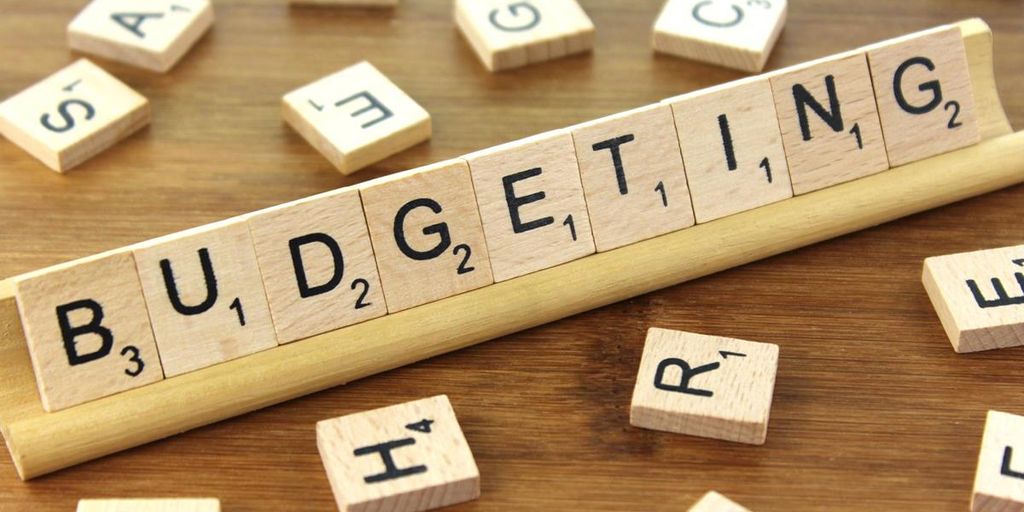
Creating an efficient budget is essential to keeping your finances in order and achieving your financial goals. A well-planned budget should not be seen as a restriction, but as a tool for financial freedom. By prioritizing expenses strategically, you ensure not only your day-to-day needs, but also get closer to your long-term goals, such as saving for a trip, investing in education or creating an emergency fund.
Strategies for Saving Money Today
Reduction in daily expenses
To start saving, it is essential to review your habits diaries. Small changes can generate big savings. Cook more at home and avoid eating out. Also, classify your expenses and identify where you can cut superfluous spending.
Smart Shopping
Before making any purchase, research prices and assess whether you really need the item. Buy in cash whenever possible to avoid interest and debt. Use the 70-20-10 rule to manage your money efficiently.
Conscious Use of Credit Cards
Credit cards can be an ally or a villain. Use it with moderation and avoid long installments. Plan to pay off your debts and keep control of your spending to avoid falling into financial traps.
Saving money is one of the most effective ways of achieving your financial goals. With organization and discipline, you can turn small habits into big achievements.
Investments: How and Where to Start
Investing is an essential part of financial management, as it can help you increase your wealth and achieve long-term financial goals. Here are a few tips to start investing safely:
Types of Investments
Start with conservative investments: if you are new to the world of investments, it may be better to start with more conservative, low-risk options. Government bonds, money market funds and fixed income are examples of conservative investments that offer small but stable returns.
Risks and benefits
Know your goals and risk tolerance: Before you start investing, it's important to align your goals, which have already been defined along this journey, with your risk tolerance. Determine whether you are going to invest part of your salary in retirement, raising children, buying a house or other long-term goals. Also, assess your willingness to take financial risks. Riskier investments can offer potentially higher returns, but they can also bring significant losses.
Tips for beginners
Diversification is the key to mitigating risks, avoiding concentrating all your resources in a single option. For those starting out, it's advisable to opt for lower-risk investments, such as index funds or government bonds, gradually progressing to other more advanced options as confidence and knowledge of the financial world increase. The golden rule here is to reinvest profits in order to maximize gains over time.
Investing is an important step towards ensuring a more secure and stable financial future. Start slowly, learn continuously and adjust your strategies as necessary.
The Importance of an Emergency Reserve
Unexpected situations can happen at any time, so you need to be prepared. The purpose of creating a emergency fund is to prevent unforeseen events, such as termination of contracts, health problems, car repairs, and so on. You need financial peace of mind at times like these and an emergency reserve ensures this.
Tips to Increase Your Income
Freelance work
An effective way to increase your income is to dedicate yourself to freelance work. If you have specific skills, such as graphic design, writing or programming, you can offer your services on online platforms. This not only generates extra income, but also allows you to develop new skills.
Passive Income
Investing in sources of passive income is an excellent strategy for ensuring a constant flow of money. This can include investments in actions, The idea is to create a blog, real estate fund or even a YouTube channel that generates revenue through ads and partnerships.
Skills utilization
Use your skills and talents to create new earning opportunities. If you're good at cooking, for example, you could sell sweets or meals to colleagues at work. Another option is to give private lessons or consultancies in areas you've mastered.
Increasing your income not only improves your financial stability, but also opens doors to new opportunities and experiences.
How to Avoid Debt and Clear Your Name
Identifying superfluous spending
To avoid debt, the first step is to identify and eliminate the superfluous spending. Analyze your monthly expenses and see where you can cut back. Small daily savings can make a big difference at the end of the month.
Debt Negotiation
If you are already in debt, it is essential to renegotiate your debts with your creditors. Study your budget and come up with a payment plan that is within your means. If you pay in cash, try to get discounts. Renegotiate your debts could be the key to clear your name once and for all.
Planning to pay off debts
Make a detailed plan to pay off your debts. Rank them in order of importance and prioritize those with the highest interest rates. Staying focused and prioritizing the debts with the highest interest rates will help you save money in the long run.
Plan to pay off your debts and focus on your priorities. This will help you avoid new debts and improve your financial health.
Using Technology in Favor of Finance
Nowadays, technology can be your great ally in financial management. There are many apps available to help you organize your personal finances in a practical and efficient way. Use technology to get a clear picture of where your money is going and how to optimize your spending and savings.
Financial Education: Continuous Learning
It's never too late to understand financial education. Each person must identify the approach that best suits their learning style and the time available. There are various sources and resources dedicated to financial education, such as courses, books and articles.
Courses and Workshops
Attending courses and workshops is an excellent way of acquiring financial knowledge. They offer a practical and detailed overview of various topics, from budgeting to investments. Choosing the right approach can make all the difference to your learning.
Reading Books and Articles
Reading books and articles on finance is an accessible and effective way of learning. There are many renowned authors who share their experiences and strategies. Continuous practice of reading can integrate study into your daily life, making learning almost automatic.
Accompanying Experts
Consulting financial experts can provide valuable and personalized insights. They can help you develop a solid financial plan tailored to your needs. This follow-up tends to boost your financial performance over time.
The key is to research and choose the approach that best suits your learning needs and preferences. Developing a solid and practical understanding of financial education is essential for long-term success.
Financial Planning for the Future
Thinking about the future is essential to ensure a stable and peaceful financial life. Building a solid financial future requires discipline and planning. Here are some tips to help you prepare for what lies ahead.
Setting Long-Term Goals
Setting clear and realistic goals is the first step towards effective financial planning. Divide your goals into short, medium and long term. This will help you stay focused and motivated over time.
Investments for Retirement
Investing for retirement is crucial to ensuring a peaceful old age. Consider options such as private pensions, shares and investment funds. Evaluate the risks and benefits of each to make informed decisions.
Succession Planning
Succession planning is important to ensure that your assets are distributed according to your wishes. Consider drawing up a will and taking out life insurance to protect your family.
By following these tips, you'll be well on your way to building a solid and stable financial future for you and your family.
How to Involve the Family in Financial Management
Involving the family in financial management is essential to ensure that everyone is aligned with the financial objectives and contributes to successful planning. Financial education is a very important topic and should be encouraged in families. As well as helping to look after the family budget, your children can also learn from an early age about the importance of making the most of what you have in your pocket by taking advantage of the best opportunities.
Conclusion
By adopting these practices, you'll be well equipped to face financial challenges, seize growth opportunities and, most importantly, build a sustainable and rewarding financial future. Navigating the world of finance can seem challenging, but with the right tips, you can be in control and secure. Whether you're just starting out, want to improve your current situation, or are looking to the future, understanding how to manage your money is essential. With a little knowledge and discipline, you can make big changes. Shall we start this journey together?
Frequently Asked Questions
Why is it important to manage my money?
Managing your money is crucial to ensuring financial stability, avoiding debt and achieving your life goals.
How can I start creating an efficient budget?
To create an efficient budget, start by listing all your sources of income and expenses. Use tools such as spreadsheets or apps to help you organize.
What are the best strategies for saving money?
Some strategies include reducing daily expenses, making smart purchases and using credit cards consciously.
Where should I invest my money?
This depends on your financial objectives and risk tolerance. Consider options such as savings, investment funds and shares.
What is an emergency reserve and how can I build one?
An emergency reserve is an amount of money saved for unforeseen situations. Start by saving a small amount each month until you reach an amount that covers three to six months of expenses.
How can I increase my income?
You can increase your income through freelance work, passive income or by taking advantage of specific skills to offer services.
What are the best practices for avoiding debt?
Identify and cut superfluous spending, negotiate existing debts and make a financial plan to pay off debts.
How can technology help with financial management?
Financial control apps, online payments and digital security measures are some ways to use technology to your advantage.