

Why Lining Up Easily: Who doesn't want to end the month in the black and have a rainy-day fund? Having a balanced financial life means dreaming of a much better future. To achieve that, you don't need to cut spending too much and turn into Scrooge McDuck. Discretion means organizing the finance and act strategically.
Keeping track of your finances is crucial. That way, your money lasts longer and is spent wisely.
So why not take control of your finances and start saving money effectively? Check out the best options in this section money-saving tips e ways to save money. They can help you determine the level of financial security you want.
Organize Your Finances
Do you have control over your budget? It’s important to know how much you earn, spend, and save each month. If the answer is “no,” don’t worry. It’s never too late to learn. The personal financial control It's key for lining.
To do this, use apps, spreadsheets or a notebook. Map out your Fixed and variable expenses. Review your consumption habits to cut spending.
Categorize Your Expenses and Income
Break down your expenses into fixed (since it's rent) and variables (since it's for leisure). See also their recipes monthly. This makes it easier to expense planning.
Take a Look at Your Habits
- Take a close look at your expenses to cut out what you don't need.
- Set savings goals and stay disciplined.
- Ask your family for help with financial planning.
To financial control and investigate consumption habits It helps cover the costs. This leads to an understanding of your financial goals.
“Consistency in monthly budgeting is crucial to ensuring a more secure financial future.”
Why Allocate Funds?
There are several ways to embezzle funds. A good strategy is to avoid buying things that don't change much, such as cars and cell phones. That way, you save money and can invest in things that yield a higher return, such as CDBs.
Another money-saving tip Think before you buy. This helps you avoid unnecessary expenses. That way, you can reduce costs in the future.
Setting aside one day a week with no spending is a good idea. It helps you save a lot over time. In fact, making a shopping list before you go to the grocery store helps you avoid impulse buys. It also helps you find sales.
- Avoid frequently buying items that don't change much
- Be mindful of impulse purchases, both online and offline
- Set aside one day a week when you don't spend any money
- Make a detailed shopping list before you go to the grocery store
With these tips for saving money e financial strategies, you can figure out your goals. That way, you can save money efficiently.
“Financial planning is the key to a peaceful, stress-free life.”
Cutting Unnecessary Expenses
It is very important to find and cut spending that aren't necessary. This helps to optimize your expenses and padded budget. We often come across brand-name items, expensive accessories, and luxury electronics. We believe these things will bring us status and happiness. But they can be very costly and put a strain on your budget.
A good strategy is to look for cheaper options. Popular brands may offer good quality at lower prices. It’s also important to keep track of your purchases. Avoid impulse buying, even if you’re tempted by notifications from food delivery apps or special offers.
- Take a look at your unnecessary expenses, such as subscriptions you don't use, meals eaten away from home, impulse purchases, and mobile data plans.
- Reevaluate your spending habits. Choose what you really need, rather than things you want but don't need.
- Use the the 50-30-20 rule to organize your budget. Allocate 50% for needs, 30% for wants, and 20% for savings.
- Plan your purchases. Avoid last-minute shopping and shopping on special occasions, which can cause you to spend more than necessary.
- Consider using apps and technologies to help you manage and reduce their costs.
“The key to saving money is identifying and cutting back on unnecessary expenses. This makes it easier for you to reach your financial goals.”
When you identifies unnecessary expenses and uses strategies to cost reduction, you can optimize your expenses. This helps you create a more balanced budget. That way, you can allocate your resources to what really matters.
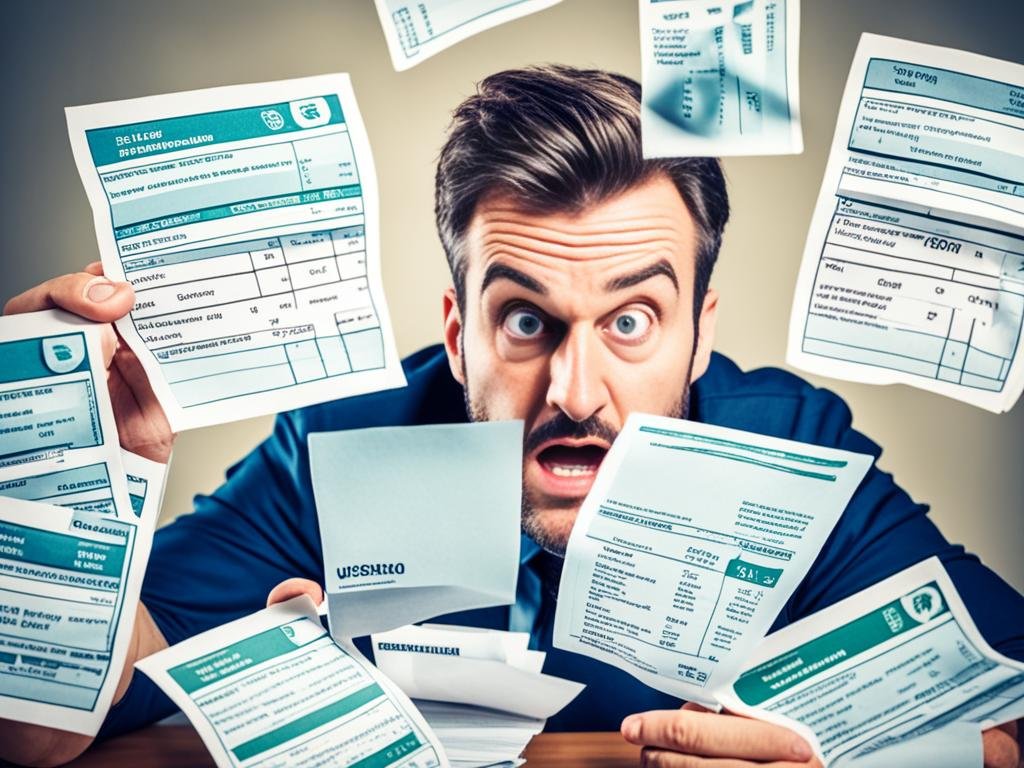
Negotiate Your Debts and Avoid Interest
Some debts, such as those of the credit card and personal checks come with high interest rates. These rates are much higher than the return on any investment. It is important to use your savings to pay off these debts from significant expense First.
Then, you can pay off debts with lower interest rates. Look for new lines of low-interest loan It can also help a lot with lining.
Pay Off High-Interest Debts
First, pay off your debts to the higher interest rates. This includes credit card debt and personal checks. Use the money you've saved or renegotiate the debts to improve payment terms.
This strategy will help reduce costs and to pay off those debts more quickly.
Find Low-Interest Loans
When you need a new loan, look for options with lower interest rates. This will allow you to pay off more expensive loans e renegotiate debts with better interest rates. You'll make a lot of money down the road.
“More than 71 million Brazilians are looking for ways to get out of debt.” – Data from SPC Brasil

Start Investing
Start the invest With a little money set aside, it's a good strategy. It helps you better manage your finances. When you see your savings growing yields, you want to line it more.
To get started, set aside a portion of your salary to invest. That way, you ensure that a portion of your money is working for you. Over time, your money will grow.
Build an Emergency Backup
It's very important to have a emergency substitute. It helps you avoid debt during tough times. That way, you'll be better protected.
Choose Fun Investments That Match Your Profile
When to choose investments, think about your risk profile. Mix fixed and variable income. This makes your portfolio of financial investments remain more powerful.
“Setting clear goals—whether it’s saving for a home or an emergency fund—is crucial. This helps you manage your finances better.”
Investing heavily is the first step toward a good emergency substitute. Think about your risk profile and diversify. That way, you'll be more successful.
Outcome
This clause revealed as soon as the funds are secured easily. You've learned how to organize your finances and cut back on unnecessary expenses. You've also learned how to negotiate debts and start investing.
Small changes in your daily routine can make a big difference. For example, review your spending habits and prioritize paying in full. Avoid impulse buying.
A consolidation of financial education It's very important. The economic crisis in Brazil has sparked greater interest in financial content. The value of the financial institution It is crucial for determining your financial goals.
Start using these Tips for Stretching Your Budget right now. With financial discipline and planning, you'll achieve your dreams. Don't let a lack of financial control Don't let that stop you. Take control of your financial life and see the benefits of efficient budget management.
FAQ
Q: Do you know how to make your money go a long way?
A: Managing your budget is important, but it’s something you can learn. Use apps, spreadsheets, or notebooks to keep track of your finances. See where you spend the most and try to cut back on expenses.
Q: What advice can you give on how to know when you've saved up enough money?
A: Avoid buying things you buy all the time. Be cautious about impulse purchases. Look for cheaper options and ignore notifications from food apps.
Q: Why is it important to negotiate debts and avoid high interest rates?
A: High-interest debt—such as credit card debt—is very costly. Use the money you've saved to pay off these debts first. Look for low-interest loans to cover the rest.
Q: Why get started in the world of investing?
A: Investing even a small amount can help you manage your finances. Set aside a portion of your paycheck to invest. This can generate extra income. It’s also a good idea to have a nest egg for emergencies. Choose investments that match your risk profile and diversify your portfolio.
Source links
- Financial Education: Tips to Improve Your Finances
- https://exame.com/invest/guia/como-economizar-dinheiro-veja-7-dicas-para-poupar/
- https://blog.toroinvestimentos.com.br/educacao-financeira/como-economizar-dinheiro/
- https://www.mobills.com.br/blog/economizar/como-economizar-dinheiro/
- https://riconnect.rico.com.vc/blog/como-economizar-dinheiro/
- https://www.contabilizei.com.br/contabilidade-online/9-dicas-para-organizar-suas-financas-pessoais/
- https://blog.pagseguro.uol.com.br/metodo-50-30-20/
- https://www.serasa.com.br/blog/10-dicas-para-economizar-dinheiro/
- https://www.sicredi.com.br/site/blog/educacao-financeira/qual-melhor-forma-economizar-dinheiro-25-dicas/
- https://www.tenda.com/eudouconta/economia-e-renda-extra/gastos-desnecessarios/
- https://www.embracon.com.br/blog/como-identificar-e-eliminar-gastos-desnecessarios
- https://forbes.com.br/forbes-money/2024/06/15-dicas-para-economizar-dinheiro-que-realmente-funcionam/
- https://www.spcbrasil.org.br/blog/como-sair-das-dividas
- https://blog.pagseguro.uol.com.br/dicas-para-sair-do-endividamento/
- https://blog.nubank.com.br/como-economizar-dinheiro-comecar-guardar/
- https://blog.daycoval.com.br/10-dicas-sobre-juntar-dinheiro/
- https://www.tenda.com/eudouconta/economia-e-renda-extra/como-economizar-dinheiro/
- https://quiteja.com.br/blog/como-poupar-dinheiro/
- https://blog.ailos.coop.br/educacao-financeira/como-economizar-dinheiro/