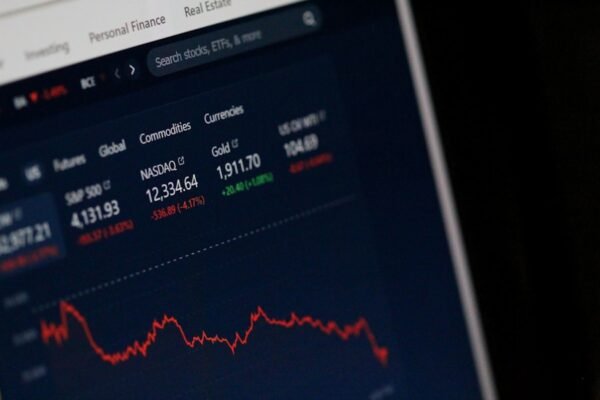

How to Keep Track of My Expenses? Many people believe that taking care of the finance It's a complicated and time-consuming process.
But is that really true? The answer might surprise you. With a good planning, you can avoid budget surprises and even make your dreams come true, such as buying a car new.
These days, tools such as applications Financial management tools make everything simpler. They help you organize your expenses, set priorities, and avoid impulse purchases.
In addition, small changes in habits can lead to big results.
In this article, you'll discover practical tips for keeping your finances in order. Learn how to planning It can be your ally in achieving a more peaceful and secure life.
Tips for Avoiding Impulse Purchases
Impulse buying is a habit that can seriously jeopardize your financial stability. Often, quick decisions lead to regrets and debt.
To avoid this, it is essential to adopt strategies that help you stay focused on the financial planning.

Responsible Use of Credit Cards
A credit card is a powerful tool, but it can become a problem if used improperly.
Excessive installment payments and unplanned purchases are the main risks. To avoid problems, set a monthly limit and prioritize paying in full whenever possible.
Wait and think it over before buying
One of the best practices for preventing spending It's best to wait a while before making a purchase.
This allows you to assess whether the product is really necessary. Also, avoid falling for tempting sales that can lead to expenses unforeseen events.
- Record all of the spending to identify consumption patterns.
- Set a monthly limit for unplanned purchases.
- Think about whether you really need the product before buying it.
With these tips, you can keep your finances organized and avoid budget surprises. A good financial planning It is the key to a more peaceful and secure life.
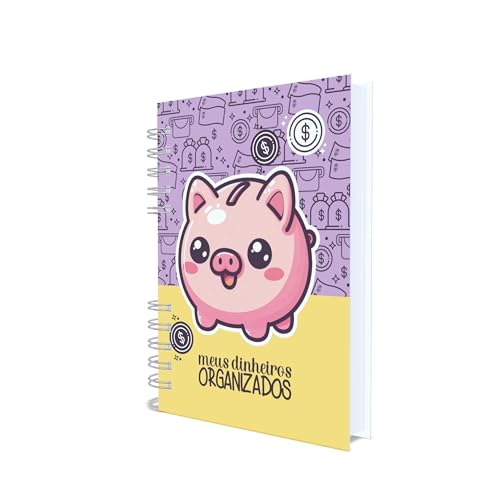
- Quality and Finishes: The exceptional quality and detailed finishes are major selling points of this product.
- Pages: 188 pages (94 sheets)
- Calendar for 2024, 2025, and 2026
Financial planning to organize your expenses
Be clear about where your money This is the first step toward effective planning. The control Personal finance isn't just about cutting expenses, but about understanding your habits and setting objectives clear.
With a well-structured plan, you can avoid surprises and achieve your dreams.
Good planning starts with keeping a detailed record of all expenses. This helps you identify spending patterns and areas where you can save money.
“Detailed record-keeping is the key to understanding the flow of money ”and make more assertive decisions", an expert points out.
In addition, define objectives Specific goals help guide your spending decisions. Whether it's for a trip, buying a car, or building an emergency fund, having clear goals motivates you to keep control financial.
Another effective strategy is to distinguish between essential and nonessential expenses. For example, expenses related to housing, food, and transportation should be prioritized, while items such as leisure activities and impulse purchases can be cut back on.
This practice ensures that your money be used wisely.
Finally, ongoing budget monitoring is essential. Reviewing your finances regularly allows you to adjust your plan as needed and stay focused on the objectives established.
With these practices, you transform the control Make managing your finances a natural habit and achieve a more peaceful life.
How Can I Keep Track of My Expenses? Practical Strategies
Small adjustments to your financial routine can lead to big results. By adopting mindful habits, you can avoid waste and achieve your goals of shape more efficient.
The key is to adopt practices that fit your day-to-day and that they are sustainable in the long term.
One of the first strategies is to have information reliable information about your finances. Knowing exactly where your money is going allows you to identify areas for improvement.
For example, keeping track of all expenses—even the smallest ones—helps you understand your spending patterns and avoid overspending.

Another tip is to establish a daily routine for reviewing your finances. Set aside a few minutes at the end of the day to review your expenses. This helps identify potential deviations and adjust your planning as needed.
“Consistency in this practice is essential for maintaining financial control”, an expert points out.
In addition, checking out deals and promotions before making a purchase can help you avoid spending unnecessary.
Often, tempting sales leads to impulse purchases. Making a priority list and comparing prices are practices that ensure more informed decisions.
- Make small changes, such as cutting back on credit card use for unplanned purchases.
- Use tools such as Practical Strategies for Managing Household Expenses to make the process easier.
- Adapt your planning to the different phases of the day-to-day, ensuring flexibility and efficiency.
Finally, the information is your greatest ally. Knowing your fixed and variable expenses, as suggested in the article on control of fixed and variable expenses, allows for more assertive decision-making.
With these practices, you’ll make managing your finances a natural habit and enjoy a more peaceful life.
Tools and Apps for Financial Management
Technology can be a great ally in managing personal finances. By using digital tools, it is possible to simplify the registration of accounts and expenses, in addition to monitoring the budget more efficiently.
These resources They help you stay on top of your finances, avoiding unpleasant surprises.

Spreadsheets and management applications
Spreadsheets and apps are resources essential for anyone who wants to manage their finances. They allow you to record all of the accounts and expenses, in addition to providing detailed charts and reports.
Apps like Mobills and Organizze are popular examples that make it easier to keep track of budget.
In addition, many of these apps offer advanced features, such as integration with accounts banking services and payment alerts.
These tools help identify consumption patterns and make more informed decisions.
Checking Credit Scores and Monitoring Accounts
Other appeal It's important to check your credit score. Platforms like SPC Consumidor let you monitor your financial health and receive alerts about potential fraud.
This monitoring is essential for maintaining a budget balanced.
In addition, the constant monitoring of the accounts It helps prevent late payments and fines. Tools like Minhas Economias offer real-time integration, making it easier to keep track of all transactions.
- Use apps like Mobills and Organizze to track accounts and expenses.
- Track your credit score using platforms like SPC Consumidor.
- Choose tools that suit your needs and offer useful features.
With these tips, you can make managing your finances a simple and efficient habit. Technology is a appeal a powerful tool for achieving a more peaceful and organized financial life.
Managing the Family Budget
Managing the family budget is essential to ensuring a balanced and secure financial life.
Wrap all the people Involving the whole family in this process helps establish a routine of responsibility and discipline.
With well-structured planning, it's possible to avoid surprises and achieve financial goals.
Distinguishing Between Essential and Non-Essential Expenses
One of the first steps toward good financial management is to distinguish between essential and non-essential expenses.
Expenses such as housing, food, and transportation should be prioritized. Items such as leisure activities and impulse purchases, on the other hand, can be reduced or eliminated, depending on the situation.
This practice ensures that the time and resources are used wisely. In addition, it helps identify areas where savings can be made, contributing to a healthier budget.
- Set clear priorities for essential expenses.
- Set limits on unnecessary expenses.
- Wrap all the people of the family in financial decisions.
Another tip It's important to review your budget periodically. This habit allows you to adjust your expenses based on changes in your income or your family's needs.
Discipline in resource management leads to greater peace of mind and financial security.
Finally, adopting everyday habits—such as avoiding impulse purchases—can make all the difference. With these strategies, managing the family budget becomes simpler and more efficient.
Cost reduction and elimination of unnecessary expenses
Cutting back on expenses is an essential step toward maintaining financial stability. Often, small expenses can add up and put a strain on your monthly budget.
Identifying and eliminating unnecessary expenses is the key to achieving greater financial peace of mind.
A good example One area where expenses can be cut is impulsive purchases at department stores.
These seemingly harmless expenses can turn into a serious problem if they aren't kept in check.
In addition, subscriptions to services that are not being used can also be canceled.
Be careful with tempting promotions and offers
Sales and special offers can be a trap for your wallet. Often, the content These promotions aren't as good a deal as they seem.
It's important to read the details carefully to avoid unpleasant surprises.
Another crucial point is the impact on the credit. Overspending during sales can lead to debt and jeopardize your financial health.
To avoid this, make a list of priorities and decide whether the offer is really worth it.
- Identify expenses that don't add value to your budget, such as TV or streaming subscriptions.
- Read the content be mindful of promotions to avoid financial pitfalls.
- Keep track of your credit, avoiding impulse purchases that could lead to debt.
- Set a monthly limit on non-essential spending.
With these strategies, you can cut back on unnecessary expenses and keep your budget in balance. Awareness is the key to avoiding temptations and ensuring a healthier financial life.
The Importance of Setting Goals and Objectives
Setting financial goals is the first step toward turning dreams into reality. With clear goals, you can make informed choices and avoid wasting money.
In addition, having a well-structured plan makes it easier to manage your finances and achieve a more peaceful life.
Well-structured goals are the foundation of effective planning. They help identify priorities and make more informed decisions.
For example, when you set a short-term goal—such as saving for a trip—you create a focus that prevents spending unnecessary.
Short-term goals
Short-term goals are those that can be achieved within a year. They are ideal for those who want quick, motivating results.
A good example is to save up to buy a product specific, such as a new cell phone or home renovations.
These goals have a value significant because they provide a sense of immediate accomplishment. In addition, they help build the habit of saving and maintain financial control.
To track progress, a option is to use spreadsheets or financial management apps.
Long-term goals
Long-term goals, on the other hand, require more planning and discipline. They may include objectives such as buying a home, enjoying a comfortable retirement, or achieving financial independence.
These dreams require a value They require a greater investment of time and resources, but they yield transformative results.
To achieve these goals, it is essential to review and adjust your plans periodically. Tracking your progress and making changes as needed ensure that you stay on track.
One option It's interesting to look for information on how to set and monitor financial goals efficiently.
- Set specific, measurable goals to guide your finances.
- Use tools such as spreadsheets and apps to track your progress.
- Review your goals periodically to reflect changes in your financial situation.
With these practices, you’ll make financial planning a natural habit. Every real you save has a value significant in building a prosperous future.
Start setting your goals today and see how small changes can lead to big results.
Financial education and changing habits
A financial education It is the foundation for a more balanced and secure life. With the right knowledge, it is possible to make more informed decisions and avoid pitfalls that compromise the income.
Learning about finance isn't just a task—it's an ongoing process that brings long-term benefits.
Continuous Learning About Finance
Investing in education Financial literacy is essential for better managing your resources. Courses, books, and online content are great tools for deepening your knowledge.
For example, understanding how interest works can help reduce reliance on high-cost loans.
In addition, the education Financial tracking helps you identify harmful habits and replace them with healthier practices.
“Knowledge is the key to changing behaviors and achieving a income ”more stable", an expert points out.
Changing Habits for Conscious Spending
Changing habits is an important step toward a healthier financial life. One example is the mindful use of card credit.
Avoiding excessive installment plans and prioritizing lump-sum payments are practices that help you stay in control.
Another tip is to establish a routine for reviewing your finances. Regularly reviewing your expenses allows you to identify areas for improvement and adjust your plans as needed.
Discipline is essential to transforming the income into an efficient resource.
- Look for courses and content that complement your learning about finance.
- Use the card Use credit sparingly and avoid unnecessary debt.
- Adopt daily habits, such as writing down your expenses, to stay on top of your finances.
With these strategies, you can transform your relationship with money. The education Financial planning and changing your habits are essential steps toward a more peaceful and secure life. For more tips on effective financial management, explore our content.

Conclusion
Maintaining financial stability is a process that requires attention and discipline, but the benefits are life-changing.
Throughout this article, we have highlighted the importance of the planning and keeping track of finances to avoid unpleasant surprises.
These practices not only ensure a more peaceful life, but also benefit the entire family.
Financial management is a service essential for anyone seeking security and stability. Periodically reviewing expenses and adjusting the budget as needed are key steps toward achieving this goal.
In addition, ongoing financial education helps people make more informed decisions and avoid pitfalls.
Put the strategies presented here into practice and track your progress over time. The journey toward financial control is an ongoing one, but each step brings greater security and well-being.
Start transforming your relationship with money today and see the positive results in your life and in that of your family.
FAQ
Q: How can I avoid impulse buying?
A: A good tip is to wait and think it over before making a purchase. Also, using your credit card wisely helps you avoid unnecessary debt.
Q: What's the best way to organize my expenses?
A: Financial planning is essential. Create a monthly budget, separating essential expenses from non-essential ones, and keep track of your bills regularly.
Q: Are there any tools that can help with financial management?
A: Yes! Spreadsheets and budgeting apps, such as Guiabolso or Mobills, are great options. They help you keep track of your accounts and check your credit score.
Q: How can I cut down on unnecessary expenses?
A: Keep an eye out for sales and tempting offers. Prioritize what really matters and avoid impulse purchases. Reviewing your monthly expenses also helps you identify where to cut back.
Q: Why is it important to set financial goals?
A: Short- and long-term goals provide direction for your planning. They help you stay focused and save for specific goals, such as buying a car or investing in education.
Q: How can financial education help?
A: Learning about finances and changing your habits are essential steps. Seek out educational content and adopt practices that promote more mindful spending.
Q: How do I manage my family's budget?
A: Separate essential expenses from non-essential ones and involve the whole family in the planning. This ensures that everyone is on the same page regarding your financial goals.
Source links
- 9 Tips for Organizing Your Personal Finances | Contabilizei Blog
- Financial organization: 10 tips to get your accounts in order
- 9 Tips for Controlling Impulse Spending – BV Inspira | BV Bank
- How can you avoid impulse buying? Check out these 10 practical tips
- Family Budget: Why It's Important and How to Create One