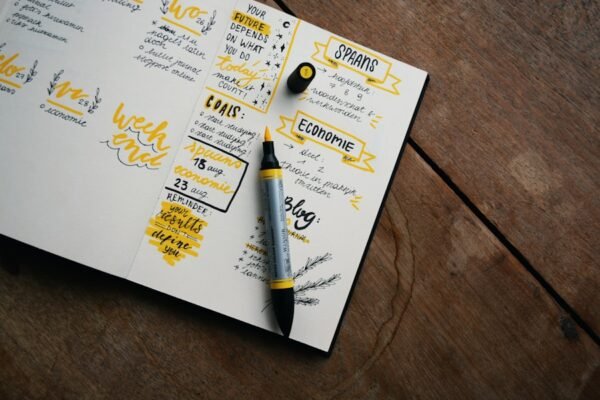
Financial planning is essential for maintaining finance Keep your household finances in order. To start, it’s important to make a list of all your fixed and variable expenses, such as rent, condo fees, water, electricity, phone, and internet bills, as well as food and transportation, among others. With this information in hand, you can create a monthly budget and set savings goals. In addition, it’s essential to have an emergency fund for unforeseen events, such as medical expenses or unexpected repairs.
Another important aspect of financial planning is setting priorities. It’s necessary to identify which expenses are essential and which can be cut or reduced. In addition, it is essential to set short-, medium-, and long-term goals, such as buying a home, taking a trip, or building a retirement fund. With a well-structured financial plan, it is possible to avoid debt and achieve financial stability.
Reducing Electricity and Water Bills: Tips for Saving Money
Reducing electricity and water costs is an effective way to save money on your household budget. To do this, it’s important to adopt more sustainable habits, such as turning off the lights when leaving a room, unplugging electronic devices when they’re not in use, and using energy-efficient light bulbs. In addition, it’s essential to invest in more energy-efficient appliances, such as refrigerators and washing machines with the Procel seal.
When it comes to water, it’s important to fix leaks and avoid waste. In addition, it’s essential to adopt more mindful practices, such as taking shorter showers, reusing water from the washing machine for outdoor cleaning, and flushing the toilet thoughtfully. With these simple measures, you can significantly reduce your electricity and water bills, helping both the environment and your wallet.
Smart Shopping: How to Save Money at the Grocery Store and on Monthly Groceries
Smart shopping is key to saving money at the grocery store and on your monthly shopping. To do this, it’s important to make a shopping list before going to the grocery store and stick to it, avoiding impulse purchases. In addition, it’s essential to compare prices and choose more affordable brands or products on sale. It’s also important to avoid going to the grocery store when you’re hungry, as this can lead to unnecessary purchases.
Another important tip for saving money on monthly groceries is to buy products in bulk and in larger packages, which are usually more economical. In addition, it’s essential to avoid waste by using all your food and planning meals in advance. It’s also important to pay attention to product expiration dates and avoid waste. By following these practices, you can save significantly on your monthly groceries and keep your household finances in order.
Food Reuse: Tips for Avoiding Waste in the Kitchen
Food reuse is a sustainable and economical practice that helps prevent waste in the kitchen. To do this, it’s important to use food in its entirety, making use of peels, stems, and leaves that are usually discarded. In addition, it’s essential to plan meals in advance and use foods that are about to expire. You can also freeze leftovers to eat later.
Another important tip for avoiding waste in the kitchen is to repurpose leftovers in new recipes. For example, you can turn rice into rice balls or risotto, use fruit peels to make juices or jams, and use vegetables in soups or stir-fries. In addition, it’s essential to store food properly in the refrigerator and freezer to prevent it from spoiling quickly. With these simple practices, you can reduce food waste in the kitchen and save money on your household budget.
Managing Leisure and Entertainment Expenses: How to Have Fun Without Spending Too Much
Keeping track of leisure and entertainment expenses is essential for keeping household finances in order. To do this, it’s important to look for more affordable leisure options, such as outdoor activities, trips to public parks, visits to free museums, or movie screenings on discount days. In addition, you can organize activities at home, such as dinners with friends or family, movie nights, or board games.
Another important tip for having fun without spending too much is to look for promotions and discounts on cultural, sporting, or culinary events. In addition, it’s essential to set a spending limit for leisure and entertainment in your monthly budget and look for more affordable alternatives whenever possible. With these simple practices, you can have fun without breaking the household budget.
Debt and Bill Renegotiation: Strategies for Reducing Fixed Expenses
Renegotiating debts and fixed expenses is an effective strategy for reducing fixed costs and easing the strain on the household budget. To do this, it’s important to contact creditors and negotiate more favorable payment terms, such as discounts or interest-free installment plans. In addition, it is essential to pay close attention to the interest rates charged by financial institutions and seek out more advantageous alternatives.
Another important strategy for reducing fixed expenses is to renegotiate contracts for essential services, such as phone service, internet, cable TV, and insurance. It’s essential to shop around for more affordable options on the market and negotiate with your current providers to secure discounts or more favorable terms. In addition, it’s important to keep an eye on bank fees and look for financial institutions that offer more affordable packages. With these simple steps, you can significantly reduce fixed expenses and ease the strain on your household budget.
Financial Education for the Family: How to Teach Your Children to Save and Value Money
A financial education Family life is essential for teaching children to save and value money from an early age. To do this, it’s important to involve children in household financial decisions, explaining the importance of financial planning, controlling expenses, and mindful spending. In addition, it’s essential to teach children to save a portion of the money they receive as allowance or gifts and to set savings goals to achieve personal objectives.
Another effective way to teach children to save and value money is to lead by example. It’s important to demonstrate healthy financial habits in everyday life, such as comparing prices before making purchases, avoiding waste at home, and seeking more economical alternatives for leisure and entertainment. In addition, it’s essential to talk openly with your children about money, explaining concepts such as inflation, interest, and investments in a way that’s appropriate for their age. With these simple practices, you can raise children who are more financially savvy and better prepared to manage their finances in the future.