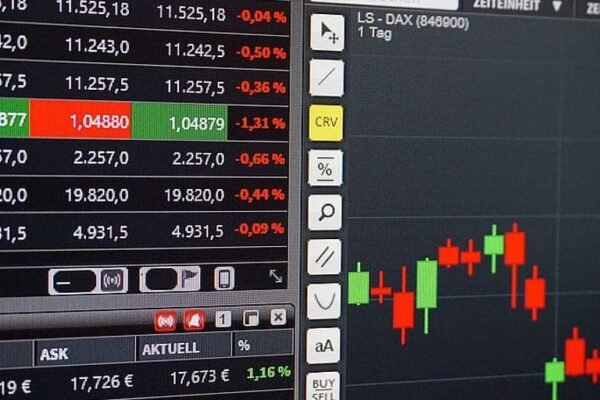

Since Trading on the Stock ExchangeInvesting in the stock market may seem daunting for beginners, but with the right knowledge, it's possible to navigate this market with confidence. This article offers a comprehensive guide for those who wish to start trading on the stock exchange, covering everything from basic concepts to advanced investment strategies.
Key Points
- Understand the basics and history of the stock market to have a solid foundation.
- Choose a reliable broker and open your account to start investing.
- Know your investor profile to make more informed decisions.
- Use the home broker to perform your operations safely and efficiently.
- Diversify your portfolio and manage risks to maximize your returns.
What is the Stock Market
A Stock Exchange is an exchange where investors meet to buy and sell financial assets, such as stocks, bonds, and other securities. Raise organized market ensures that transactions occur efficiently and securely, assuring that the seller receives the funds and the buyer obtains possession of the acquired securities.
How the Stock Market Works
The Stock Exchange organizes the financial market, ensuring that transactions between companies and investors occur efficiently and securely. Basically, it works as a marketplace where stocks are traded between buyers and sellers.
Opening Your Account at a Brokerage Firm
To debut investing in the stock market, the first step is open an account at a brokerage firm. This process is simple and can be done online, at no cost. Below, we detail the steps necessary to access your account and start trading in the stock market.
Understanding Your Investor Profile

To invest safely and efficiently, it is important Understand your investor profile. This knowledge influences various aspects of your investments, as the choice of products and allocation of resources.
Types of Investor Profile
There are different types of investor profiles, ranging from conservative to aggressive. Each profile has a distinct risk tolerance and specific financial goals. Knowing your profile helps you make decisions more aligned with your expectations and needs.
Investor Profile Influence
Knowing your investor profile is fundamental for the security and efficiency of your investments. It influences several aspects, such as the choice of products and resource allocation. Furthermore, respecting your risk profile can prevent significant losses and frustration.
Profile Identification Tools
One of the main tools for identifying your investor profile is the suitability test. This questionnaire assesses your risk tolerance, knowledge of the financial market, and financial conditions. Based on the results, it's likely to establish a profile that will guide your investment decisions.
First Steps with Home Broker
To start operations on Home Broker, it's very simple.
What is a Home Broker
The Home Broker is an online platform used for trading on the stock exchange. It replaces the obsolete physical trading floor, allowing you to buy and sell shares directly from your computer or device. All stock trading must be done through a home broker platform..
How to Use Home Broker
- Open an account at an investment brokerage.
- Transfer the available funds to this account via a TED from your bank account.
- Log in and access the brokerage's Home Broker.
- Search for the stock code in which you wish to invest.
- Specify the quantity of shares and your purchase offer.
- Send the order and await its completion.
Tips for Operating Safely
- Invest in your education as an investor before you start buying stocks.
- Utilize study tools to make informed decisions.
- Diversify your portfolio to minimize risks.
- Be mindful of the trading hours on the Bovespa.
Remember: although the stock market is open to everyone, it's important to know your investor profile to operate safely.
Stock Investment Strategies
Para investir em ações, você pode utilizar a to study technique or fundamental analysis. Technical analysis focuses on charts and price patterns to predict future movements, while fundamental analysis evaluates the fundamentals from the company, as financial statements and outlook for extension.
Portfolio diversification is important to minimize risks. By spreading your investments across different assets, you reduce the chance of large losses. Ask yourself: What are the best strategies for your investments? Diversification is an efficient response.
Risk management involves identifying, investigating, and mitigating potential losses in your investments. Use tools like stop-loss and take-profit orders to protect your capital. Remember, when the Selic rate falls, many leave the fixed income on the side; when it rises, the situation reverses. Therefore, adjust your strategies according to the economic scenario.
Other Variable Income Products
In the futures market, you can trade contracts that provide for the purchase or sale of an asset on a future date at a predetermined price. This allows you to Protect your investments against price variations. It is a great tool for those who wish to protect themselves against market volatility.
Options are derivatives that give the investor the right, but not the obligation, to buy or sell an asset at a predetermined price on a future date. They are widely used for strategies such as hedge and speculation. With options, you can limit your losses and maximize your gains.
ETFs (Exchange Traded Funds) are funds that replicate the performance of an index, allowing you to invest in a diversified basket of assets with a single transaction. BDRs (Brazilian Depositary Receipts), on the other hand, are certificates that represent shares of foreign companies, enabling you to invest in international companies without leaving the Brazilian market.
Exploring these products can be a magnificent way to diversify your portfolio and increase your chances of success in the market. variable income.
Once Market Following
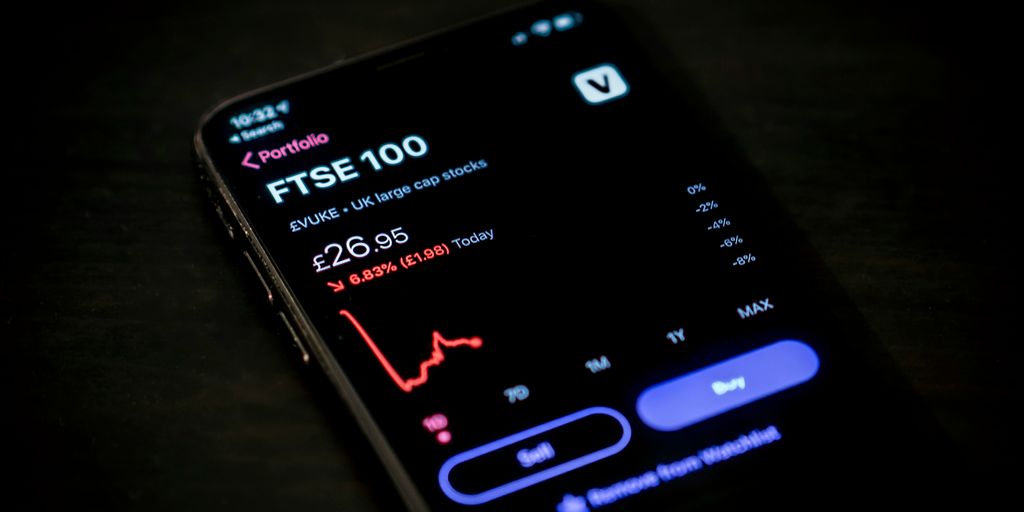
Following the stock market is important for making informed and strategic decisions. To do this, it's important to be mindful of various economic indicators, use tracking tools, and stay continuously updated.
Common Mistakes When Investing in the Stock Market
Making Impulsive Decisions
One of the most frequent mistakes is making decisions based on emotions. Market volatility can lead to impulsive reactions, such as buying or selling stocks without proper research. Avoid making misguided decisions based on a current price. Planning and patience are essential for long-term success.
Lack of Diversification
Concentrating all investments in a single asset or sector significantly increases risk. Diversification is a fundamental strategy to protect your portfolio against losses. Distribute your investments across different sectors and asset types to minimize risks.
Ignore Fees and Costs
Many investors forget to consider the fees and costs involved in transactions. These costs can directly impact investment profitability. Be mindful of brokerage fees, custody fees, and other charges to avoid unpleasant surprises.
Avoid these 5 mistakes when investing in stocks and increase your profits. Discover the most common mistakes when investing in stocks and how to avoid them for greater success in the stock market. Check out our tips now!
Legal and Tax Aspects
Income Tax on Investments
When investing in the stock market, it is important to understand the taxation sobre os ganhos de capital. O Imposto de Renda (IR) incide sobre os lucros obtidos com a venda de ações. Por exemplo, se você comprou uma ação por R$ 100 e a vendeu por R$ 200, o IR será aplicado sobre o lucro de R$ 100. A alíquota padrão é de 15%, e o pagamento deve ser feito mensalmente através do carnê-leão. No entanto, há uma isenção de IR para vendas mensais inferior de R$ 20 milénio.
Market Regulation
The stock market is regulated by several entities that ensure the transparency and safety of operations. In Brazil, the Securities and Exchange Commission (CVM) is primarily responsible for this regulation. Furthermore, brokerage firms must adhere to strict Compliance policies to prevent fraud and ensure market integrity.
Investor Rights and Responsibilities
As an investor, you have rights and duties that must be respected. Among the rights are access to clear and accurate information about investments and participation in shareholder meetings. Duties, on the other hand, include the responsibility to correctly declare earnings on income tax and to follow the rules established by regulatory bodies.
Understanding the legal and tax aspects is fundamental for operating in the stock market safely and efficiently.
Understand the main legal and tax aspects that impact your investments and businesses. For more detailed and up-to-date information, visit our website and explore our comprehensive guides.
Since Trading on the Stock ExchangeResolution
Investing in the stock market may seem daunting at first, but with knowledge and practice, you're likely to navigate this market with confidence. It's important to understand how the stock market works, choose a reliable brokerage, and be prepared to deal with volatility. Furthermore, diversifying investments and staying updated on market trends are fundamental strategies for success. Remember that investing is a continuous process of learning and adaptation. With dedication and patience, you can achieve your financial goals and take advantage of the opportunities the stock market offers.
Frequently Asked Questions
What is the stock market?
The Stock Exchange is an organized market where shares of publicly traded companies, bonds, and other securities are traded.
How does the stock market work?
The Stock Exchange organizes the market, ensuring that companies receive the funds from sold shares and that investors hold the purchased securities.
What is needed to start investing in the stock market?
To start investing, you need to open an account with a brokerage firm, know your investor profile, and use a trading platform like Home Broker.
What is a Home Broker?
Home Broker is an online platform that connects investors to brokerages and the Stock Exchange, allowing for the electronic buying and selling of stocks.
What is the value of knowing your investor profile?
Knowing your investor profile is crucial for choosing the investments that best suit your risk tolerance level and financial goals.
What are the main mistakes when investing in the stock market?
The main mistakes include making impulsive decisions, lack of diversification, and ignoring fees and costs.
What are shares?
Stocks are securities that represent a fraction of a company's share capital. Those who buy stocks become partners in the company and can profit from the appreciation of the shares and dividends.
Once escort the stock market?
To escort the market, it is important to monitor key economic indicators, use accompanying tools, and stay updated on market news.