Thinking about your investments can be a challenge, especially when dealing with the terms “fixed income” and “equities.” Many people look for best option for your money, but the truth is that the best choice depends entirely on your profile and financial goals.
This comprehensive guide was created to simplify everything. You’ll understand the characteristics of each investment option, their risks, and their potential returns. Here’s the secret: by mastering these differences, you’ll make smarter choices that align with your financial situation.
By the end of this article, you’ll have a clear understanding of the pros and cons, and you’ll be able to determine what’s best for your financial security and wealth growth.
What Is Fixed Income?
Fixed-income securities are an investment known for the predictability of their returns. Basically, they work like a loan you make to an issuer, whether it’s the government or a private company. In return, you get your money back with interest on a predetermined date.
This type of investment is ideal for those seeking greater security and stability, especially compared to variable-income investments. Before making a choice, it is crucial to understand the available options to find the one that best aligns with your goals and risk tolerance.
Advantages of Fixed Income
- Predictability of Earnings: You know in advance—or have a good estimate—of how much you’ll receive, which makes financial planning easier.
- Inflation Protection: Securities such as the IPCA+ Treasury Bond ensure that your purchasing power isn't eroded by price increases, offering a real return.
- Diversity of Options: There is a wide range of products, from the most conservative to those with the highest potential returns, suitable for different investor profiles.
- Easy Access: Getting started with investing is simple, whether through Tesouro Direto, brokerage firms, or banks, with affordable initial investment amounts.
Fixed Income Risks
Although it is safer, fixed-income investments are not risk-free. Here are the main risks:
- Credit Risk: With private securities, there is a risk that the issuer (bank or company) may default on payment. The Credit Guarantee Fund (FGC) protects certain investments up to R$ 250,000 per CPF/institution.
- Market Risk: Changes in interest rates (such as the Selic rate) may affect the value of your securities before maturity if you need to sell them early.
- Liquidity Risk: Some investments have longer redemption periods, making it difficult to access the money in case of an urgent need.
The key point: Always evaluate who issues the security and what the redemption terms are. Diversifying your portfolio is a smart strategy for mitigating these risks.
Types of Fixed-Income Investments
Fixed-income investments offer investors a variety of options. The main ones are government securities, issued by the government, and corporate securities, issued by banks and companies.
Government Bonds: Investing in the Government
Government securities are issued by the National Treasury and represent the government’s means of raising funds to finance its activities. They are considered the safest investments in the country.
Check out the main options available through Tesouro Direto:
| Government Bond | Description | Profitability |
|---|---|---|
| Prefixed Treasury | You know the exact interest rate at the time of purchase. This is great for when rates are high and you want to lock in that return. | Fixed rate (e.g., 10% per year) |
| IPCA+ Treasury | It pays a fixed interest rate plus the inflation rate (IPCA). Ideal for protecting your money over the long term. | IPCA + fixed rate (e.g., IPCA + 5% per year) |
| Selic Treasury | Its return tracks the Selic rate. It’s perfect for an emergency fund because it offers high liquidity. | Selic rate |
These securities can be purchased directly through the Tesouro Direto platform or through investment brokerage firms.
Private Securities: Opportunities at Banks and Companies
Corporate bonds are issued by financial institutions (banks) and companies to raise capital in the market. They may offer higher returns, but generally come with a slightly higher risk than government bonds.
Check out the most popular ones:
- CDB (Bank Certificate of Deposit): You lend money to a bank and earn interest. It is protected by the FGC up to R$ 250,000.
- LCI (Real Estate Credit Note) and LCA (Agribusiness Credit Note): Securities issued by banks to finance the real estate and agricultural sectors. They are exempt from income tax for individuals.
- Debentures: Issued by companies (not banks) to finance their projects. They are not protected by the FGC, which makes them riskier but offers greater potential for returns.
Before investing, assess the issuer's financial strength and the terms of the security, such as maturity and liquidity. Where can you buy them? Brokerage firms offer a wide range of options.
What Is Equities?
Equity investments are a type of investment in which returns are unpredictable. The value of the assets fluctuates constantly due to market, economic, political, and even psychological factors. This is the right choice for those seeking high potential for appreciation, while accepting a higher risk of losses.
Unlike fixed-income investments, here you become a part owner of a business or asset whose price is determined by supply and demand. Risk-taking investors are often drawn to the potential for significant long-term returns.
Top Equities Investments
In the world of equities, you’ll find a variety of options. The best-known ones are:
- Stocks: When you buy stocks, you acquire a small portion of a company and become a shareholder. If the company thrives, the value of your stocks may rise, and you may also receive dividends (a share of the profits).
- Real Estate Investment Funds (FIIs): These allow you to invest in the real estate market without having to purchase a physical property. You purchase shares in a fund that invests in various projects (malls, office buildings, warehouses). Returns come primarily from rent and the appreciation of the shares.
- Other Assets: There are also commodities (gold, oil), foreign currencies, ETFs (index funds), cryptocurrencies (Bitcoin, Ethereum), and derivatives contracts. Each has its own risk and return characteristics.
Investing in equities requires research, constant monitoring, and patience. Diversification is even more crucial here to mitigate risks.
Fixed Income vs. Equities: The Major Differences
Understand the Differences Between Fixed-Income and Equities It's the first step toward building a smart investment portfolio. Each type of investment offers a distinct set of characteristics that directly impact your returns and the risks involved.
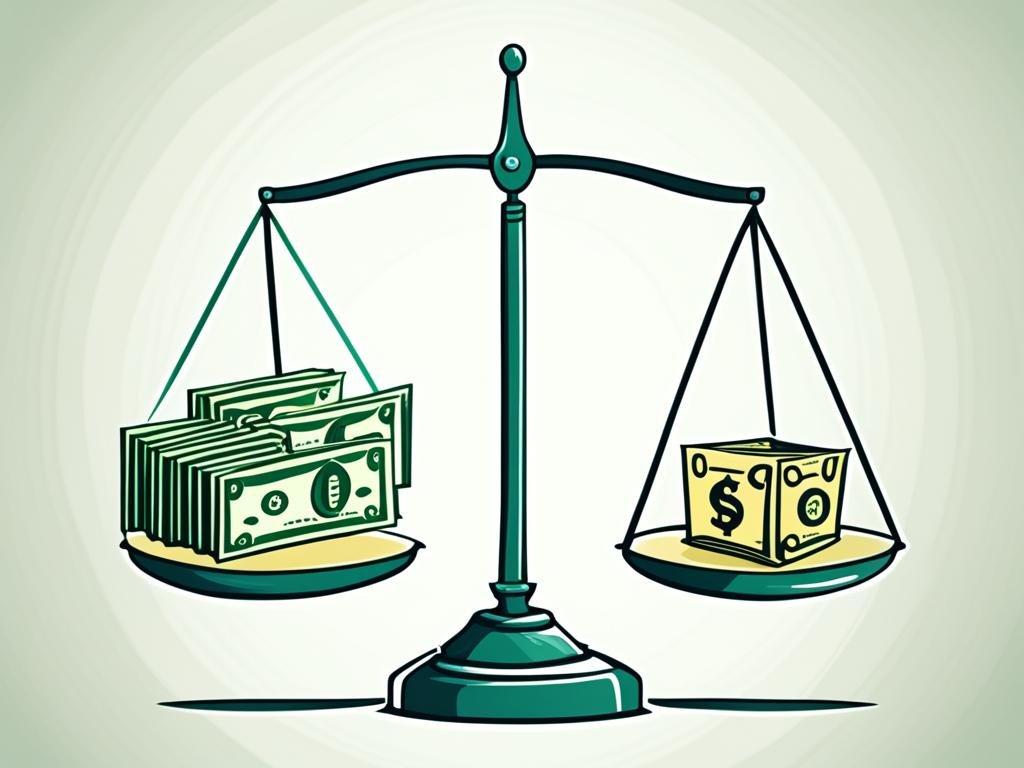
With fixed-income investments, investors lend money and receive a predetermined return. This provides security and stability, but generally offers more modest returns. With variable-income investments, on the other hand, you purchase assets whose value fluctuates, offering much greater potential for gains, but also carrying higher risks.
To make this even clearer, take a look at this comparison:
| Features | Fixed Income | Equities |
|---|---|---|
| Predictability | Check-in (predefined rates) | Downturn (market fluctuations) |
| Risk | Minor (credit, liquidity) | Higher (market, volatility) |
| Return Potential | Moderate to good | High |
| Liquidity | Generally high | It may be lower (depending on the asset) |
| Recommended for | Conservative/Moderate Profiles | Moderate/bold profiles |

Your investor profile and your goals determine which type is the best fit. Often, a combination of both is the most effective strategy for balancing security and growth.
Return, Risk, and Liquidity: Your Profile Is the Key
The triad of return, risk, and liquidity is the backbone of any investment decision. Understanding how these elements relate to your investor profile It is crucial to success.
How Your Investor Profile Determines Your Choice
Your investor profile reflects your risk tolerance, your goals, and the time frame you have to achieve your financial goals. Here's how it relates to investments:
- Conservative: Prioritizes safety and capital preservation. Prefers investments with very low risk and predictable returns, such as Selic Treasury bonds and CDBs with daily liquidity.
- Moderate: Takes on slightly more risk in pursuit of higher returns, but still prioritizes safety. May combine fixed-income investments (IPCA+ Treasury bonds, LCIs/LCAs) with a small portion of equity investments (FIIs, shares of well-established companies).
- Aggressive: Seeks to maximize profits and is willing to take significant risks. Their portfolio tends to include a large portion of variable-income assets (stocks, cryptocurrencies) and higher-risk/higher-return fixed-income investments (incentivized debentures).
It’s essential that you be honest with yourself when assessing your profile. There’s no point in investing in something that keeps you up at night because it’s too risky.
The Importance of Diversification
Regardless of your profile, diversification is the golden rule in the world of investing. Spreading your money across different types of assets and investment categories (fixed and variable) minimizes the impact of poor performance in a single investment.
For example, keeping an emergency fund in highly liquid fixed-income securities and investing part of your capital in stocks for the long term is a smart way to diversify. This not only protects your assets but also maximizes returns over time.
Strategies for Better Investing
Choosing between fixed and variable income is just the beginning. To truly succeed, you need to adopt certain strategies and habits that will make all the difference.
Invest Wisely
Knowledge is your greatest asset in the financial market. Learn about the different types of investments, how they work, the taxes involved (income tax, IOF), and the fees charged (brokerage, custody). An informed investor makes more sound decisions.
Follow the market
Economic conditions and global news affect your investments, especially your equity holdings. Stay up to date on the Selic rate, inflation, company performance, and political events. This allows you to adjust your portfolio when necessary.
Consider Seeking Help from a Specialist
If you feel unsure or don't have time to manage your investments, it's a great idea to seek out a financial advisor or a reputable brokerage firm. They can help you develop a personalized plan based on your goals and risk profile, offering the best option for your money.
Choosing Your Path
Deciding between fixed-income and equity investments—or even combining the two—is a very personal journey. There’s no magic formula or universally “best” choice; the ideal approach is the one that works for you, your goals, and your risk tolerance.
Think about your financial goals: Are they short-term, medium-term, or long-term? What is your risk tolerance? What are you looking for in an investment: security, maximum returns, or a balance between the two? The answers to these questions will guide your decisions.
Diversification—regardless of your investment profile—is the key to a resilient portfolio. Balancing different types of assets helps minimize risk and maximize returns, allowing you to take advantage of market opportunities.
Stay informed, continue to educate yourself, and, if necessary, seek professional advice. That way, you'll always be in control of your finances, making informed choices to build a solid financial future.
Source links
- https://www.santander.com.br/blog/renda-fixa-renda-variavel
- https://warren.com.br/magazine/diferenca-renda-fixa-renda-variavel/
- https://conteudos.xpi.com.br/aprenda-a-investir/relatorios/renda-fixa-e-variavel/
Frequently Asked Questions
The main difference lies in the predictability of returns. With fixed-income investments, the rate of return is known at the time of investment, offering greater stability. With variable-income investments, however, gains and losses cannot be predicted, as they depend on market fluctuations.
Fixed-income investments are divided into government and private securities. Among government securities, the most notable are the Fixed-Rate Treasury Bond, the IPCA+ Treasury Bond, and the Selic Treasury Bond. Among private securities, the most common are CDBs, LCIs, LCAs, and debentures, each with its own characteristics in terms of yield, risk, and liquidity.
In the variable-income category, the best-known investments include stocks, which represent ownership stakes in companies, and Real Estate Investment Funds (FIIs), which allow investors to collectively invest in real estate projects. Other options include commodities, currencies, and cryptocurrencies, which offer high potential returns but are subject to greater volatility.
The choice depends directly on your investor profile (conservative, moderate, or aggressive), your financial goals, and the time horizon for your investment. More risk-averse investors generally prefer fixed-income investments, while those seeking higher potential returns and willing to tolerate more risk may benefit from equity investments—or even a combination of both.