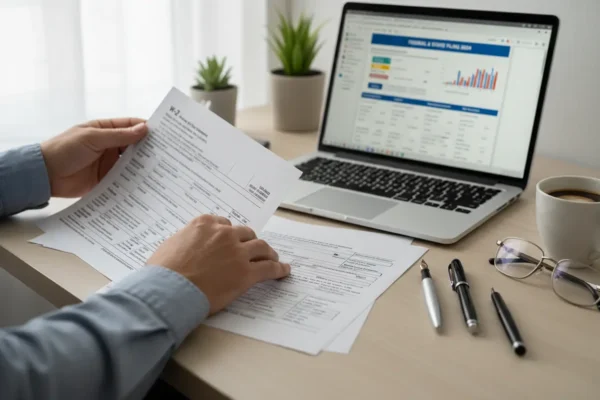

Did you know that 60% of Brazilians Don't you keep proper track of your monthly expenses? This can lead to unexpected debt and a lot of stress. But with a good financial planning, it is possible to change this reality.
O financial planning It's a process that helps you organize your finance, set goals, and create a plan to achieve them. This involves analyzing your income, expenses, and investments, as well as managing your debt.
With this approach, you can reduce stress and achieve goals like buying a home or taking that dream trip. And the best part: even for beginners, there are simple tools that make everything easier.
Start taking care of your [...], starting today money and see how small changes can lead to big results!
Introduction to Financial Planning
Understanding the basics of financial management is the first step toward a more stress-free life. With simple concepts, you can organize your finances and achieve your goals efficiently.
Basic Concepts
O budget It's the foundation of any financial management. It helps you know exactly how much you earn and how much you spend. In addition, setting a goal Clarity is essential for staying focused and motivated.
Record each expense, from breakfast to recurring bills, is essential. This helps you identify where your money is going and where you can save.
Objectives and Benefits
Having a control Keeping track of your finances offers several benefits. One of them is the ability to create an effective budget, which makes it easier to visualize your cash flow.
Tracking income and expenses is a simple yet powerful practice. For example, by listing all your income and expenses, you can identify patterns and adjust your habits.
Another important point is the definition of a goal clear financial goal. Whether it's to buy a car or go on a trip, having a specific goal helps you stay disciplined.
| Concept | Importance |
|---|---|
| Budget | Foundation for Financial Control |
| Target | Stay focused and motivated |
| Spending control | Identifies opportunities for savings |
For small and medium-sized businesses, the financial control is even more crucial. It allows for the setting of clear goals and the ongoing monitoring of progress.
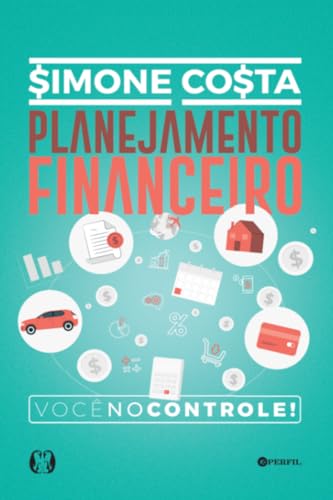
Understand the Importance of Financial Planning
Managing your finances isn't just about numbers—it's about your quality of life. When you have a clear understanding of your situation In the present, it becomes easier to make decisions that provide security and peace of mind.

Benefits for Financial Health
Good financial management offers several benefits. First, it helps define deadlines clear goals, such as buying a car or taking a trip. This helps you stay focused and avoid unnecessary spending.
In addition, understanding your situation A financial analysis helps identify where savings can be made. Small changes, such as cutting back on unnecessary expenses, can make a big difference in the long run deadline.
Another important point is setting up an emergency fund. This prevents unforeseen events, as a medical expense, put a strain on your budget.
How to Avoid Unexpected Events
To avoid surprises, it's essential to analyze your situation financial situation on a regular basis. Here are a few tips practices:
- Define deadlines to help you reach your goals and track your progress.
- Keep a detailed record of all expenses and income.
- Create an emergency fund, as suggested in Personal finance and investments.
These practices help strengthen your financial health and ensure that you're prepared for any unexpected.
How to do effective financial planning
Organizing your finances may seem complicated, but with the right steps, you can achieve incredible results. The key is to create a method that works for you and stick to it consistently.
Practical Steps for Organizing Your Finances
The first step is to list all your income and expenses. This helps you understand where your money is going. Use a spreadsheet or app to make it easier to keep track.
Next, set clear goals. Whether it’s saving for a trip or paying off a debt, having a specific goal helps you stay focused. Break your goals down into short-, medium-, and long-term goals.
Other appeal The key is to create categories for your expenses. Separate fixed expenses, such as rent, from variable expenses, such as leisure activities. This makes it easier to identify where you can save money.
Check your progress regularly. Adjust your plan as needed to make sure you're on the right track.
Tips for Staying Disciplined
Staying disciplined is essential to the success of your plan. A strategy An effective approach is to establish a weekly review routine. Set aside some time to review your expenses and adjust your budget.
Avoid impulse purchases. Before buying something, ask yourself if you really need it. This helps you avoid unnecessary expenses.
Use digital tools to make tracking easier. Apps and spreadsheets are great resources to track your progress and stay organized.
Finally, celebrate small achievements. This keeps your motivation high and reinforces the importance of sticking to your plan.
| Step | Description |
|---|---|
| List Income and Expenses | Record all incoming and outgoing cash. |
| Set Goals | Set clear and measurable goals. |
| Categorize Expenses | Separate fixed and variable expenses. |
| Review Progress | Adjust the plan as needed. |
Tools and Apps to Organize Your Finances
With today's technology, managing your finances has never been simpler or more accessible. There are several tools digital tools that help you keep track of your accounts and track expenses efficiently. These tools are ideal for anyone who wants to keep track of their budget in the day per day.

Free Apps and Spreadsheets
One of the best examples One such app is Mobills. It lets you track all your expenses and income, and it also provides charts for analysis. Another option is Orçamento Fácil, which makes it easy to create a personalized budget.
For those who prefer spreadsheets, there are free templates available online. They're great for people who like a more hands-on approach. These tools help keep your accounts are organized and facilitate decision-making.
Integrating different platforms can also be helpful. By example, you can use an app to track your expenses and a spreadsheet to analyze your recipes. This combination ensures that everything is always in day.
| Tool | Resources |
|---|---|
| Mobills | Recording of expenses and revenue, analytical charts |
| Easy Budgeting | Creating a Custom Budget |
| Free Spreadsheets | Manual tracking of expenses and revenue |
These tools They're essential for anyone who wants to improve their financial management. Give them a try and see how they can transform your relationship with money!
Setting Goals and a Personal Budget
Having a clear understanding of your financial goals is the first step toward a more organized and secure life. Setting realistic goals and creating a budget that meets your needs can transform your relationship with money.
Setting Realistic Goals
Setting goals is essential for staying focused and motivated. Start by dividing your goals into short-term, medium-term, and long-term categories. For example, a short-term goal might be to save for a trip, while a long-term goal might be to buy a home.
It's important that your goals be specific and measurable. This makes it easier to track your progress and make adjustments along the way. In addition, set aside part of your income to investments can help achieve these goals more quickly.
Creating a Personal Budget
A well-structured budget is the foundation of efficient management. Use methods such as the 50-30-20 rule, where 50% of your income goes toward essential expenses, 30% toward leisure, and 20% toward savings and investments.
Prioritize paying debts, especially the more expensive ones, to avoid additional costs. In addition, building a reserve de emergência é crucial para lidar com imprevistos sem comprometer seu orçamento.
Produtos Financeiros que Podem Ajudar
There are several Products financeiros que podem facilitar sua gestão. Aplicativos de controle de gastos, planilhas personalizadas e contas de poupança são ótimos exemplos. Eles ajudam a manter tudo organizado e a tomar decisões mais informadas.
- Set clear and measurable goals.
- Utilize métodos de alocação de renda, como o 50-30-20.
- Priorize o pagamento de dívidas e a construção de uma reserva de emergência.
- Explore produtos financeiros que facilitem a gestão do seu dinheiro.
Com essas práticas, você estará no caminho certo para uma vida financeira mais equilibrada e segura. Comece hoje mesmo a definir suas metas e estruturar seu orçamento!
Financial Education: Knowledge to Transform Your Life
Investir em conhecimento é a chave para transformar sua relação com o dinheiro. A financial education não é apenas sobre números, mas sobre como você pode tomar decisões mais conscientes e alcançar seus objetivos.
Com o acesso à information certa, você pode mudar seu future de forma significativa.
Fontes de Informação Confiáveis
Existem diversas maneiras de se aprofundar em financial education. Cursos online, livros e workshops são ótimas opções para começar.
Plataformas como a Fundação Getúlio Vargas (FGV) e o SENAI oferecem conteúdos acessíveis e de qualidade.
Além disso, participar de comunidades voltadas para o tema pode ser uma part essencial do seu aprendizado. Trocar experiências e dúvidas com outras pessoas ajuda a consolidar o conhecimento e a manter a motivação.
Impacto do Conhecimento no Dia a Dia
Ter uma base sólida de education financeira faz toda a diferença no cotidiano. Você passa a entender melhor as regras do mercado, a evitar dívidas desnecessárias e a fazer escolhas mais inteligentes.
Isso reflete diretamente na sua qualidade de vida e na construção de um future mais seguro.
Outro ponto importante é a redução do estresse. Quando você tem clareza sobre suas finanças, fica mais fácil lidar com imprevistos e planejar o que realmente importa. A information é, sem dúvida, o melhor investimento que você pode fazer.
Building an Emergency Reserve
Uma reserva de emergência é como um guarda-chuva em dias de chuva: você só percebe sua importância quando realmente precisa.
Ela serve como uma proteção financeira para imprevistos, como despesas médicas ou perda de emprego. Ter essa segurança pode evitar que você precise recorrer a dívidas caras ou comprometer seus planos de long term.
Passos para Criar sua Reserva
O primeiro passo é calcular suas despesas mensais. Multiplique esse valor por seis para definir o valor mínimo da sua emergency reserve.
Por exemplo, se suas despesas são R$ 3.000, você precisará de R$ 18.000. Para autônomos ou quem deseja mais segurança, o ideal é cobrir até 12 meses.
Comece poupando pequenas quantias regularmente. Mesmo que pareça pouco no início, o importante é manter a consistência. Utilize aplicativos como o Minhas Economias para acompanhar seu progresso e ajustar seu plano conforme necessário.
Priorize a liquidez ao escolher onde guardar seu dinheiro. Produtos como o Tesouro Selic ou CDBs com liquidez diária são ótimas opções, pois permitem resgates rápidos em caso de emergency.
Revise sua reserva periodicamente. Se precisar usá-la, reabasteça-a gradualmente. Isso garante que você esteja sempre preparado para qualquer imprevisto.
| Step | Description |
|---|---|
| Calcular Despesas | Multiplique suas despesas mensais por 6 ou 12 meses. |
| Poupar Regularmente | Comece com pequenas quantias e aumente gradualmente. |
| Escolher Produtos Líquidos | Opte por investimentos de fácil resgate, como Tesouro Selic. |
| Revisar e Reabastecer | Mantenha sua reserva atualizada e pronta para uso. |
Com esses passos, você estará construindo uma emergency reserve sólida, que garantirá sua tranquilidade financeira no long term. Comece hoje mesmo e veja como pequenas ações podem fazer uma grande diferença!
Investment Strategies and Cost-Cutting Measures
Para alcançar uma financial life mais equilibrada, é essencial adotar estratégias que combinem investimentos inteligentes e redução de gastos desnecessários.
Essas práticas não só ajudam a construir um futuro mais seguro, mas também trazem mais tranquilidade no dia a dia.
Investimentos para o Longo Prazo
Choose the type certo de investimento é crucial para garantir retornos consistentes ao longo do tempo.
Opções como Tesouro Direto, fundos imobiliários e ações são ideais para quem busca crescimento a long term. Cada uma dessas alternativas tem suas advantages, e a escolha deve ser baseada no seu perfil e objetivos.
Por exemplo, o Tesouro Direto é uma opção segura e de fácil acesso, enquanto fundos imobiliários oferecem a possibilidade de receber rendimentos mensais. A diversificação é uma decision inteligente, pois reduz riscos e aumenta as chances de sucesso.
Redução de Despesas Supérfluas
Outro passo importante é identificar e cortar gastos que não agregam valor à sua life. Avalie suas despesas mensais e veja onde é possível economizar.
Assinaturas de serviços que você não usa, compras por impulso e refeições fora de casa são exemplos de onde começar.
One management eficaz dos gastos permite que você direcione mais recursos para seus investimentos e metas financeiras. Pequenas mudanças, como cozinhar em casa ou negociar taxas de serviços, podem fazer uma grande diferença no final do mês.
Com essas estratégias, você estará no caminho certo para uma financial life mais saudável e próspera. Lembre-se de que cada decision que você toma hoje impacta diretamente o seu futuro. Comece agora e veja os resultados!
Conclusion
Transformar sua relação com o dinheiro é mais simples do que você imagina. Ao longo deste artigo, você viu como organizar suas finanças pode trazer mais tranquilidade e ajudar a alcançar seus objectives.
Each person tem o poder de mudar sua situação, começando com pequenos passos.
Definir metas claras e acompanhar seus gastos são práticas que fazem toda a diferença. Com as ferramentas certas e um pouco de disciplina, você pode melhorar sua vida de shape significant.
Aplicar essas dicas no dia a dia é o caminho para construir um futuro mais seguro e próspero.
Lembre-se: a organização financeira é uma jornada. Comece hoje mesmo e veja como pequenas mudanças podem levar a grandes conquistas. Seu objective está mais perto do que você imagina!
FAQ
Q: What is financial planning?
A: It's a strategy for organizing your finances by setting goals, managing your spending, and investing wisely to achieve your goals.
Q: Why is it important to have an emergency fund?
A: An emergency fund helps you deal with unexpected events, such as medical expenses or a loss of income, without compromising your budget or going into debt.
Q: How can I set realistic financial goals?
A: Assess your current situation, identify priorities, and set clear goals—such as saving for a trip or paying off debts—with achievable deadlines.
Q: What tools can help with financial management?
A: Apps like Mobills and Google Sheets are great options for tracking income and expenses and monitoring your progress in a simple and efficient way.
Q: How can I reduce superfluous spending?
A: Identify unnecessary expenses, such as unused subscriptions, and prioritize what's essential. Small changes can lead to big savings.
Q: What is the advantage of long-term investing?
A: Long-term investments, such as Tesouro Direto or stocks, allow your money to grow over time, ensuring security and stability for the future.
Q: How does financial education affect our daily lives?
A: With knowledge, you make more informed decisions, avoid debt, and make better use of your resources, thereby improving your quality of life.
Q: What are the first steps to getting your finances in order?
A: Start by listing your income and expenses, create a budget, and set priorities. Discipline is essential to staying in control.